
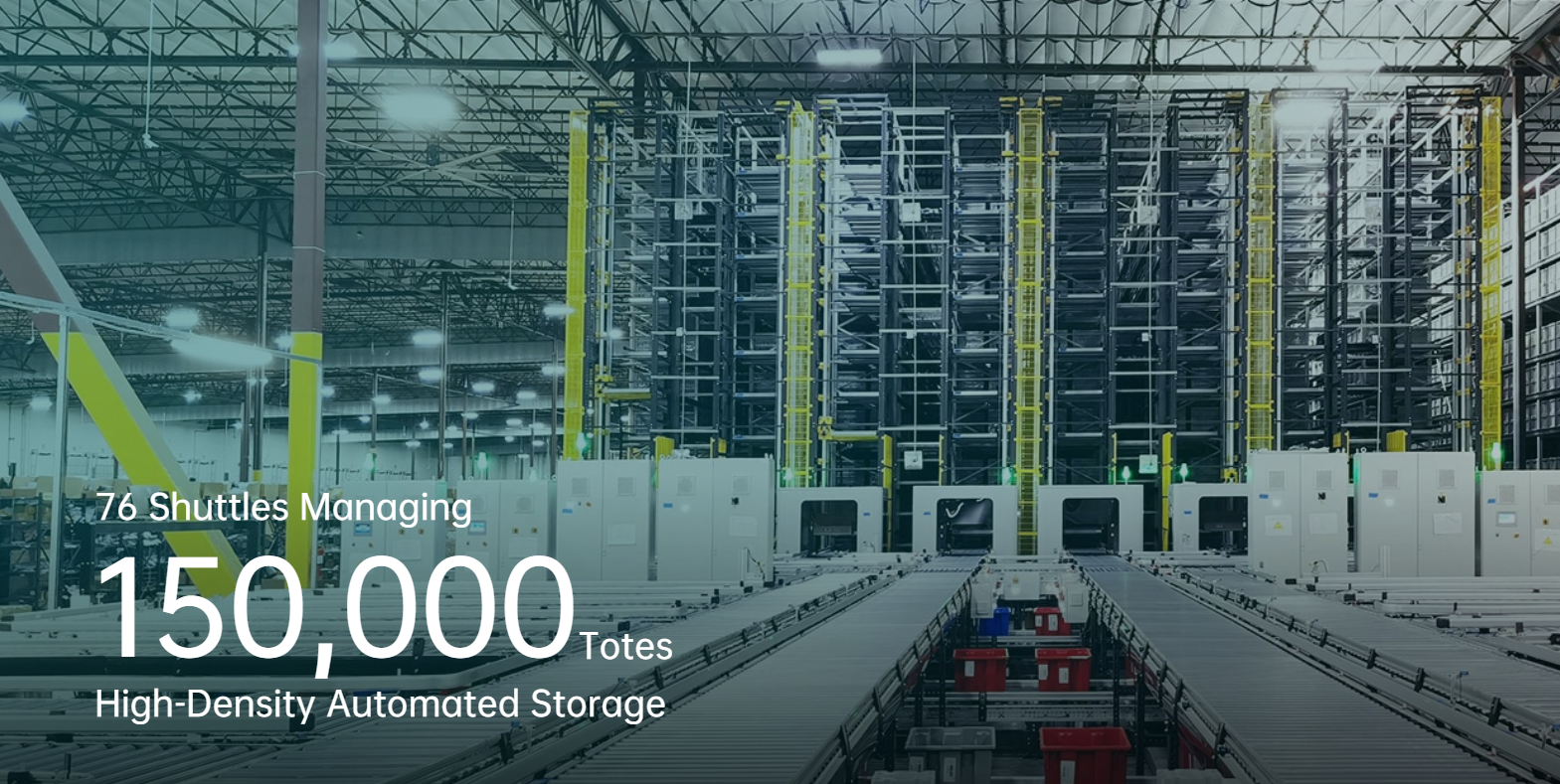
Ready to move fast and smart? This framework cuts the noise and gives FMCG teams a step-by-step approach to sourcing logistics capacity, equipment, and partners — all in a packable, repeatable system. Start with clear volume forecasts, lock the handling specs, then evaluate automation like Automated Stacker Crane integration early. That’s how you turn risk into predictable throughput and keep pallets flowing through peak demand.
Core Framework: Define, Size, Validate, Lock
Define demand bands by SKU velocity and shelf height. Size infrastructure around peak hourly throughput and cycle time, not just daily averages. Validate with a short-run pilot: measure pick rates, pallet turns, and load capacity under realistic shifts. Lock vendor contracts with clear SLAs tied to throughput and incident response. This sequence gives you control — not wishful thinking.
Technology Layer: What to Evaluate
Look for systems that match your storage density and access patterns. ASRS fits narrow-aisle, high-density sites; a robust rack system plus a warehouse stacker crane can multiply storage without expanding footprints. Prioritize equipment with deterministic positioning, known maintenance cycles, and simple spare-part logistics. Keep the control stack lean — PLCs for motion, a WMS tie-in for slotting, and straightforward diagnostics.
Partner Criteria: Skills Over Shiny Specs
Choose vendors who can prove real installations and uptime, not glossy renderings. Ask for operational references in similar temperature bands and SKU mixes. Check their training plan for local crews and spare-parts lead times. Favor partners offering performance-based contracts that share upside on efficiency gains — that alignment keeps both sides pushing for better cycle time and fewer exceptions.
Common Mistakes and How to Avoid Them
Teams often over-spec for theoretical peaks, then underutilize capital. Another trap: separating automation selection from slotting strategy — mismatch happens fast. Avoid both by staging investment: start with process improvements, then scale automation after a validated demand band. Don’t ignore human factors — maintenance crews and shift patterns must be planned alongside any ASRS or stacker crane deployment. — Small human errors compound in automated yards.
Comparisons: Manual, Semi-Automated, Fully Automated
Manual operations keep flexibility but cap throughput and raise labor costs. Semi-automated set-ups (conveyors, palletizers) boost consistency with moderate CAPEX. Fully automated ASRS and stacker cranes deliver the highest density and lowest per-pallet handling time but demand precise forecasts and maintenance discipline. Use a phased path: manual to semi-automated to full automation as validated KPIs justify capital.
Real-World Anchor
Look at logistics hubs such as the Port of Rotterdam — the same tight berth scheduling and peak surges apply inland. Operators there reduced yard congestion by syncing berth windows with storage throughput; that’s the kind of coordination your sourcing plans should bake in from day one.
Implementation Checklist
– Forecast accuracy to 95% for primary SKUs over a 12-week horizon. – Pilot measuring pick rate, pallet turns, mean time to repair (MTTR) over 4 weeks. – Contract SLAs with uptime guarantees and defined spare-part lead times.
Advisory: Three Golden Rules for Choosing Strategies and Tools
1) Measure first, automate later — base automation ROI on pilot-proven cycle time improvements. 2) Insist on deterministic performance metrics in vendor proposals — uptime, MTTR, and throughput per hour. 3) Align incentives — use performance-based clauses so vendors and operators share gains and responsibilities.
These three rules keep choices grounded and accountable, and they steer sourcing toward outcomes instead of features.
BlueSword is a natural fit when you need technical clarity, tight integration, and partners who understand operational tempo — it’s where practical engineering meets operational grit. — Final thought: start simple, validate fast, then scale.