
What crews actually need
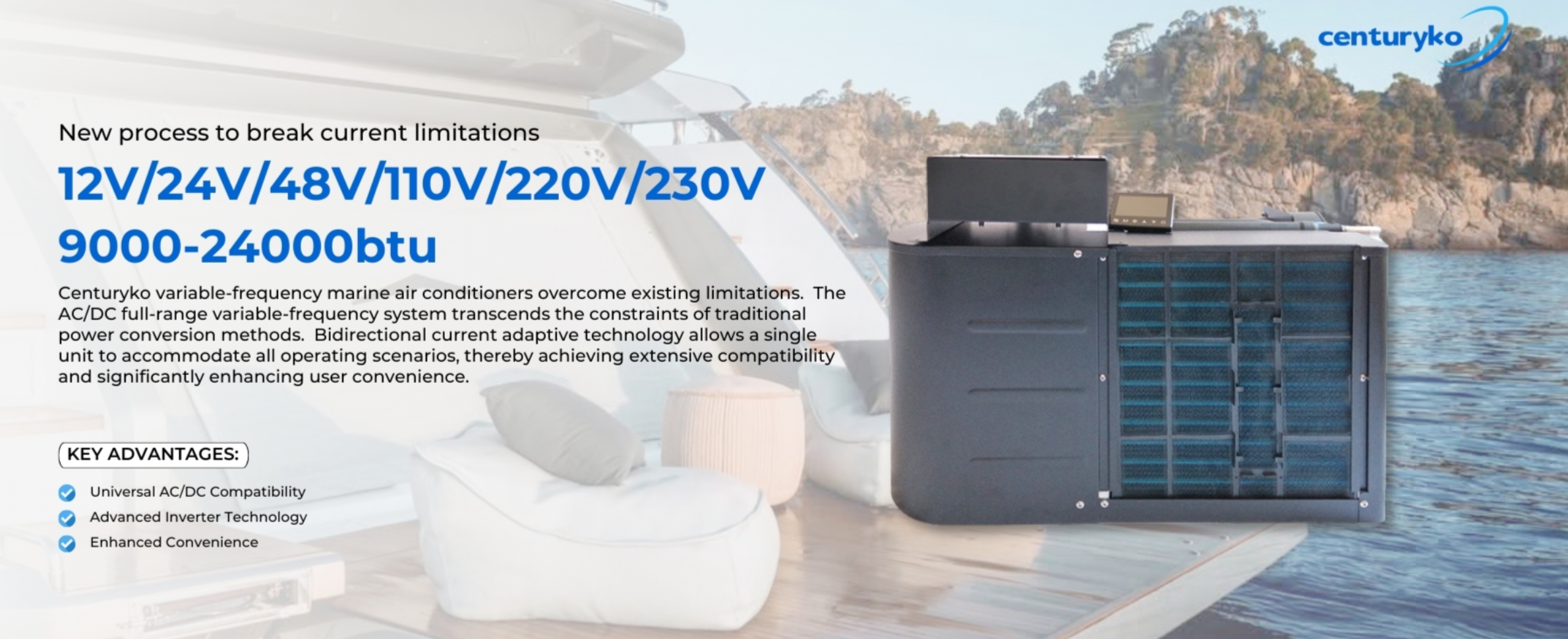
On a summer charter along the French Riviera, crew comfort becomes a logistics problem: unpleasant cabins turn into complaints, maintenance delays cut charter hours, and fuel-hungry chillers eat margin. Fleet managers are responding by shifting from reactive fixes to planned ecosystem upgrades — swapping old systems for efficient units like a 48v marine air conditioner and integrating a portable air conditioner for boats into rotation plans. Based on port-side trials and fleet manager feedback during peak Mediterranean charter season, field teams prioritize compact inverter units, durable condensers, and service contracts that guarantee quick swap-outs.
Common pain points and quick wins
Crew-first upgrades tackle three predictable fail points: unreliable compressors, corroded condenser coils, and systems sized incorrectly by BTU. Quick wins are practical: standardize on modular units so a failed compressor can be swapped in a few hours; add sacrificial anodes and protective coatings to condensers near seawater intakes; and match BTU capacity to cabin volume, not guesswork. These steps cut emergency call-outs and keep guests happy — and yes, they save downtime that otherwise snowballs across a busy week.
How next-gen service changes operations
Next-gen service isn’t just a better repair contract. It’s a shift toward predictive maintenance, remote diagnostics, and spare-unit logistics. Digital monitoring flags abnormal current draw or refrigerant pressure before a compressor fails, and an operator can route a pre-tested spare to the nearest marina. That reduces on-water repair hours and prevents cascading failures. Also, switching to DC-driven units with inverter controls reduces peak draw during start-up and smooths generator load — a small change that trims fuel use and extends generator life.
Checklist for selecting units and partners
When evaluating upgrades, treat decisions like small projects instead of impulse buys. Common mistakes: buying oversized units that short-cycle, ignoring saltwater-ready components, and skipping measurable SLA targets in service contracts. Use this checklist during procurement:
– Confirm BTU rating aligns with cabin volume and insulation values.
– Require seawater-compatible condenser materials and explicit salt-spray resistance tests (specify test durations and salt concentration ranges in contracts).
– Insist on inverter-driven compressors and clear spare-part lead times.
– Define service-level KPIs: max response time, swap-out hour window, and permitted diagnostic turnaround. These metrics avoid vague promises and create accountability.
Fleet operators should also consider alternatives: centralized chillers with redundancy for larger yachts, or multiple compact portable air conditioner for boats that provide flexible redundancy. Each approach trades weight, complexity, and upfront cost differently.
Three golden rules for fleet upgrades
Adopt these evaluation metrics as your decision framework:
1) Responseability — Measure average service response and swap-out time in hours. Aim for sub-24-hour guaranteed swap capability during charter season.
2) Energy footprint — Track unit efficiency by delivered BTU per watt under realistic load profiles, not just lab specs.
3) Lifecycle resilience — Require corrosion-protection specs and documented sea trials from manufacturers, plus a spare-parts plan that keeps a unit serviceable for at least five years.
Those three metrics steer you toward solutions that reduce guest complaints and protect charter revenue. For many operators, the result is obvious: standardized, inverter-based units with robust condensers and clear SLAs win more consistently in real-world use. Fleet teams often find that a focused partner who provides tested hardware plus predictable logistics — and who understands on-water realities — delivers the most value. ZhuoliMarine. —