
Framework Overview: Build to Spec, Not to Noise
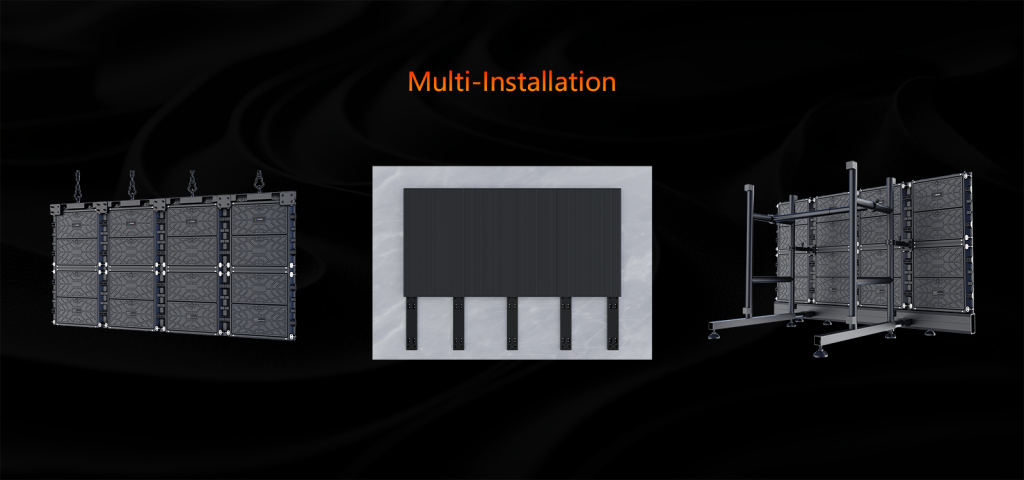
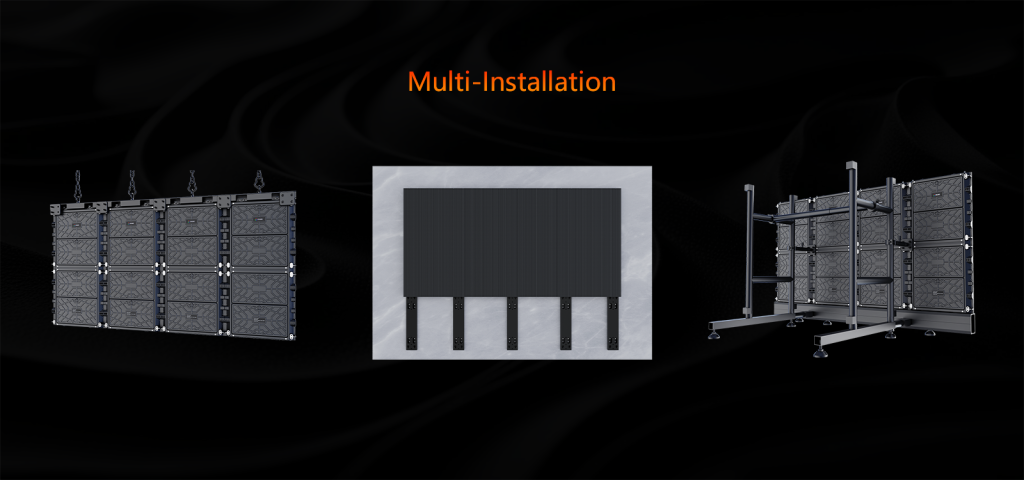
The city glows with borrowed light; your stage must answer with intent. This framework lays out clear phases for renting indoor LED stage systems so that every luminous panel serves the story instead of masking it. Start with a compact inventory of needs and map them to technical realities — sightlines, pixel pitch, and brightness — and review options for a flexible led display that adapts to uneven rigs and tight schedules. The idea is simple: align visual ambition with measurable system specs before a single module is bolted in place.
Phase 1 — Site and Audience Assessment
Measure the room like an architect of mood. Determine audience distance, stage depth, ceiling height, and ambient lux. Those numbers drive pixel pitch and viewing distance calculations; smaller pixel pitch for close audiences, wider for back rows. Include power access and rigging points in the same audit. If your event echoes the scale of Times Square billboards, you already know how unforgiving a misread distance can be — plan accordingly.
Phase 2 — Component Selection and Supplier Brief
Choose components that match your framework: cabinets and modules, LED controllers, sufficient refresh rate for camera capture, and local dimming to tame hotspots. Specify serviceability — quick-swap modules reduce downtime during events. Ask for a sample cabinet or a mock-up rig to validate seam alignment and calibration. Also discuss options for a custom led display screen where unique stage shapes demand bespoke panels; good suppliers will propose both standard modules and tailored cabinets so the visual remains continuous.
Phase 3 — Logistics, Power, and Signal Chain
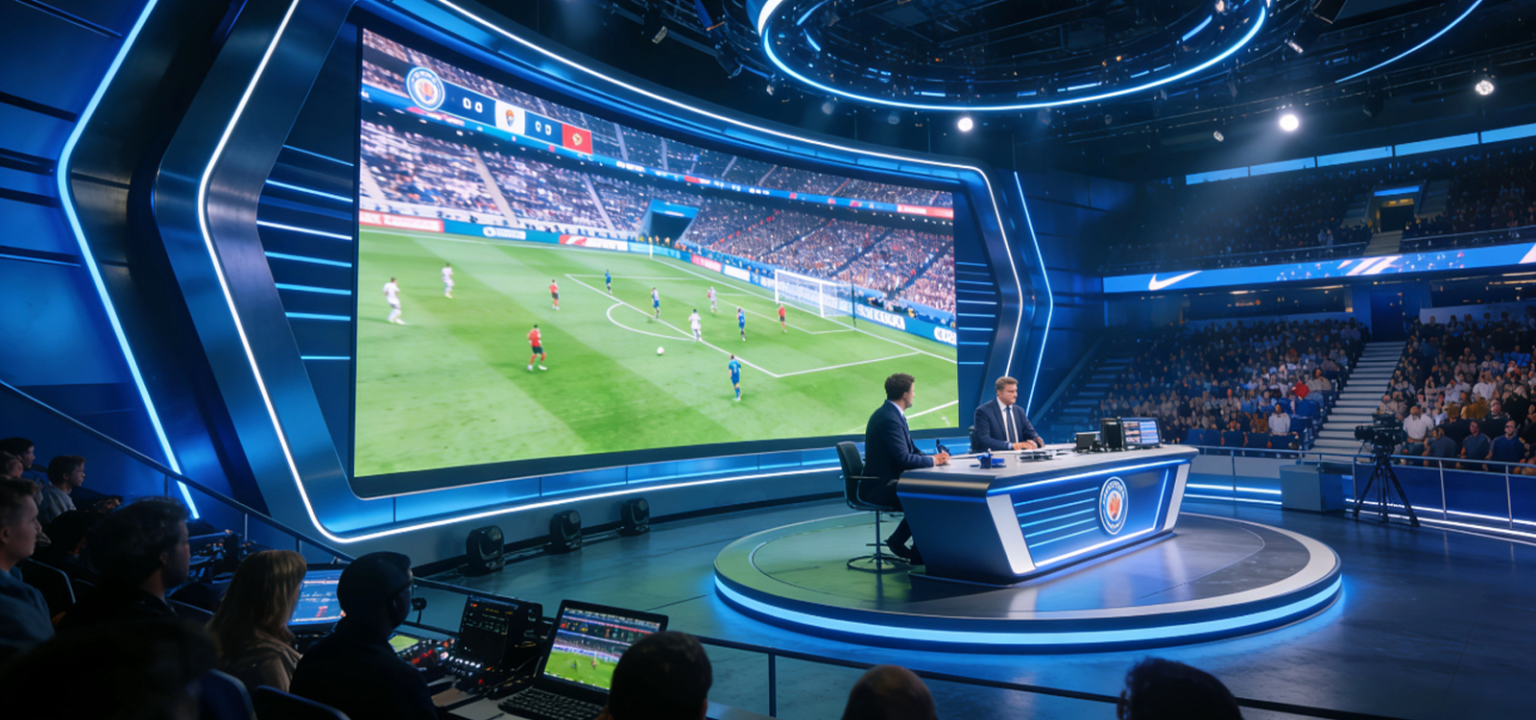
Route signal paths early: your media server, splitter, and transmitter must match the chosen LED controller and support the targeted refresh rate to avoid flicker on broadcast. Plan redundant power feeds and labeled distro panels for safe hot-swap. Shipping and on-site assembly windows must be locked down; late arrivals break cue stacks and morale — crews lose hours, not just minutes.
Common Mistakes and Practical Fixes
Teams often skimp on calibration and assume “close is fine.” That assumption shows up on camera as banding and color drift — fix it with proper grayscale calibration and a pre-show color check. Another frequent error: underestimating rig weight and thermal needs. Modules and cabinets add both mass and heat; specify ventilation and confirm truss limits. Small oversight. Large consequences.
Deployment and Testing Protocol
Run a staged rehearsal: power up, verify cabinet alignment, run a color bar and a motion test at target refresh rate, and validate audio/video sync. Log timings for each cue and keep a spare controller and a set of modules on standby. Include a readout of brightness in nits and a record of ambient lux — those two numbers tell you if contrast will survive the house lights or the camera’s exposure settings.
Advisory — Three Golden Evaluation Metrics
1) Viewing Fidelity: Match pixel pitch to the closest audience distance and confirm perceived sharpness under house lighting. 2) Broadcast Compatibility: Ensure refresh rate and scan settings prevent camera flicker; validate with a live camera feed during tech. 3) Serviceability Index: Count spare modules, identify single points of failure, and require a documented swap time from your supplier. These metrics turn hopes into measurable deliverables you can hold vendors to.
Renting LED for a stage is not drama; it’s discipline. When pieces snap together on cue, the light reads like intent, not accident. Vendors who offer modular flexibility and clear testing protocols save events from spectacle that collapses into noise. For a practical partner on custom solutions and reliable gear, consider how Coblinks integrates modular panels and support into a single package — genuine relief for production teams, not a sales pitch. Short: pick partners who show up with spares and a checklist.