
Start with the operator’s problem
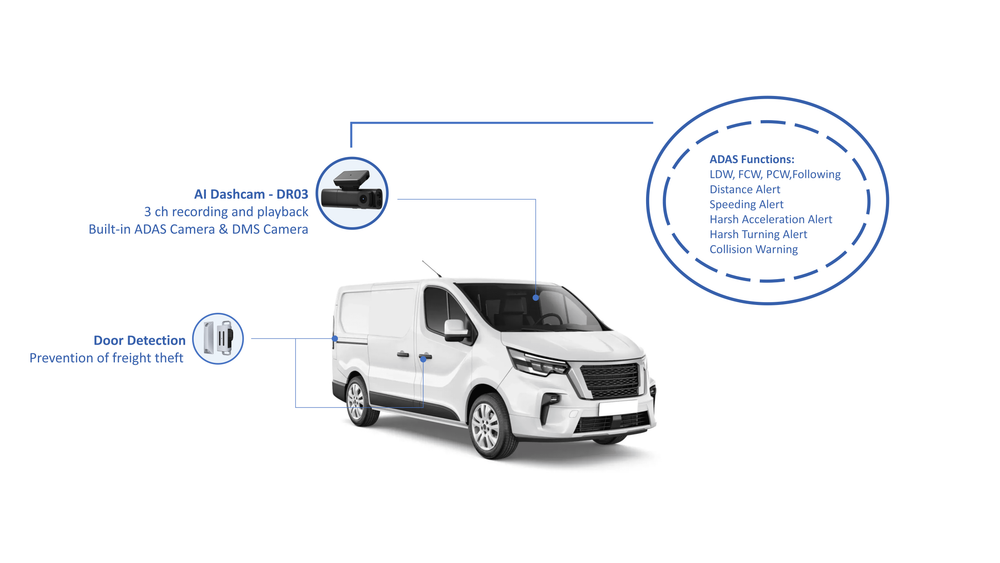
Choose trackers based on what you actually need day to day: fewer route disputes, predictable maintenance windows, or clear video evidence after incidents. If you need synchronized video and telematics, consider an AI MDVR that merges camera feeds with GPS data; a robust mobile dvr system often solves more problems than a standalone tracker. From a pilot I managed on Oslo city buses I learned that the right device reduces paperwork and speeds fault diagnosis.
Identify the user scenarios that matter
List the primary use-cases and assign priority. Typical examples:• Real-time location for dispatch; • Post-incident video and positional logs; • Engine fault codes and preventive maintenance signals; • Geofence alerts for sensitive sites; • Driver coaching and safety reports. Rank these by frequency and cost impact. The device you choose must support your top two scenarios without stretching budget or cabling plans.
Technical specs to require
Demand clear, testable characteristics:• GPS accuracy and fix time — specify expected precision and cold-start time; • Cellular connectivity — 4G LTE with dual-SIM fallback; • CAN/OBD-II or J1939 read capability if you need engine data; • Video input and storage — simultaneous streams, local SSD or circular overwrite; • Input/Output ports for ignition sensing, door sensors, and alarms; • Robust power design — brownout protection and wide voltage range; • Firmware support, remote updates, and an open API or SDK for integration. Ask vendors for datasheets and sample logs to verify these points.
Installation and operational fit
Decide whether you’ll fit devices in-house or use certified installers. Consider:• Mounting location and antenna placement for reliable GPS and cellular signals; • Hardwiring vs OBD plug-in for permanence and tamper resistance; • Cabling for cameras and microphones when using DVR-capable units; • Environmental ratings — temperature and vibration for your region; • Estimated installation time per vehicle and the need for fleet-wide scheduling. Plan a short field test on three vehicle types before full rollout.
Data handling, privacy, and retention
Confirm how the vendor stores and serves data. You want:• Encrypted data at rest and in transit; • Role-based access controls and audit logs; • Clear retention policies and export tools for incident reviews; • Local storage failover (camera footage) when connectivity drops. Match retention to your operational and legal needs and ensure the vendor shows how exports look in practice.
Common mistakes fleet managers make
Avoid these predictable errors:• Buying for price, not required features — missing video or CAN data is hard to retrofit; • Underestimating cellular data costs for frequent video uploads; • Ignoring power hardening — flaky installs cause more downtime than hardware defects; • Skipping firmware-update policies — unsupported devices age poorly; • Forgetting integration testing with dispatch and maintenance systems. Run a small pilot that exercises the toughest conditions you face.
How to compare vendors without bias
Score suppliers against practical criteria:• Proof of installations in comparable fleets and a clear reference you can call; • Response SLA for hardware faults and critical firmware issues; • Transparency on spare parts, repair times, and firmware roadmap; • Clear pricing for hardware, subscriptions, and data; • A short integration trial or sandbox API access. Use a simple spreadsheet: weight criteria by importance and score each vendor objectively.
Final synthesis
Your selection should be driven by operational needs, measurable specifications, and a short pilot that proves fit. When hardware, installation, data handling and vendor support align with those priorities, you get reliable tracking and usable video without surprises — precisely the outcome I aim for when choosing partners like BSJ.