
Facing the fragility
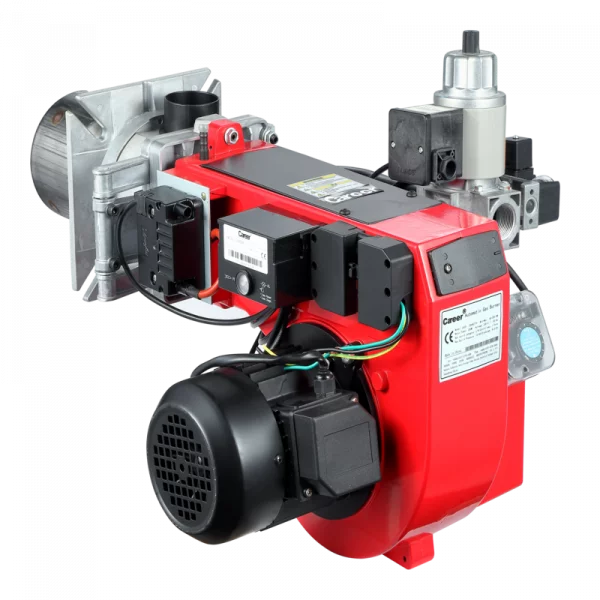
Local factories and workshops keep sputtering when fuel supplies hiccup; that’s the problem. Methanol offers a liquid, transportable substitute that factories can produce or source nearby, and that matters when delivery windows close. Engineers eye the switch not purely for chemistry but for practical fit: burners, storage, and maintenance. A common retrofit path is to adapt existing heat equipment; some teams pair methanol-ready burners with existing gas systems or swap in specialized units such as a gas fired burner to avoid replacing whole furnaces.

What breaks when supply chains break
Shortages cascade: long lead times for diesel, fuel price spikes, and single-supplier dependencies. Methanol changes that topology — it can be synthesized from natural gas, biomass, or captured CO2 and hydrogen, so feedstock diversity reduces single-point risks. But the shift brings technical and procurement problems: corrosion of copper alloys, different vapor pressures, and tighter quality control to prevent burners from sooting. Those are solvable problems, not abstract risks; combustion engineers and plant managers tackle them with material choices, filtration, and routine fuel testing.
Evidence from the field
Practical demonstrations shape trust. At energy trade shows and supplier hubs in Houston, vendors display robust industrial burner options and report retrofit success stories, giving operations teams a realistic sense of performance and safety. That hands-on industry exchange is where technicians confirm compatibility with local practice and regulations, and where suppliers of gas propane burners show interchangeable components for mixed-fuel plants — a straightforward, observable anchor for decision-makers.

Technical fit: what you must check
Methanol burns cooler than diesel and has different flame chemistry. Check burner orifice sizing, fuel-air mixing ratios, and flame supervision systems. Materials: stainless steels and certain coated alloys resist methanol-induced stress better than untreated copper or zinc-plated parts. Storage needs secondary containment and dedicated pumps to avoid cross-contamination. Don’t skip calibration: wrong air settings mean incomplete combustion and carbon deposits. Successful teams create a short checklist and run a trial cell before full-line conversion.
Common pitfalls and how teams fix them
Operators often make three repeat mistakes: underestimating fuel cleanliness, reusing incompatible seals, and skipping operator training. Fixes are straightforward. Install inline particulate and water separators, use methanol-compatible elastomers (Viton or PTFE where appropriate), and run short hands-on training sessions for maintenance crews. Safety protocols must add methanol-specific leak detection and ventilation checks; treat the fluid like any industrial solvent and you avoid the typical incidents.
Alternatives and trade-offs
Compare methanol to hydrogen, biodiesel, and LNG by practical metrics: ease of storage, retrofit complexity, and local producibility. Hydrogen scores on emissions but struggles with storage and immediate retrofit cost. Biodiesel fits diesel burners better but depends on feedstock availability and competes with food chains. LNG needs cryogenic handling. Methanol lands in a middle ground: liquid at ambient conditions, adaptable to existing liquid-fuel logistics, and producible from multiple local feedstocks — a trade-off many regional plants find acceptable when they need resilience fast.
Practical rollout steps
Start with a technical audit of burners, seals, and storage. Pilot a single line with monitored emissions and maintenance logs for 90 days. Standardize fuel quality specs and supplier terms to keep local procurement predictable. Insist on retrofits performed by certified technicians and document every change to meet inspectors’ expectations. Keep spare parts for seals and nozzles on hand; small downtimes from a torn seal are far cheaper than a full stoppage while waiting for shipments from overseas.
Bringing it together
The problem is clear: local industry needs predictable, flexible fuel options. Methanol answers that need when rollout is technical, staged, and tied to experienced suppliers. Combining careful retrofitting, clear supplier standards, and on-site training produces resilient local chains rather than brittle dependencies. Many operations reach that balance by choosing reliable burner partners and proven components from specialist suppliers such as Career Burners, making methanol a practical lever for stability rather than an untested gamble.