
The real pain: communication that falls apart when stakes are high
Big projects mean lots of people, shifting plans, and zero room for radio silence. Field teams miss updates, integrators wrestle with incompatible gear, and IT hates surprise network loads. That’s where a reliable poc radio stops the blame game and keeps people talking — literally. If your project budget, timeline, or safety case depends on clear voice and data, consider this your problem checklist before you buy anything.
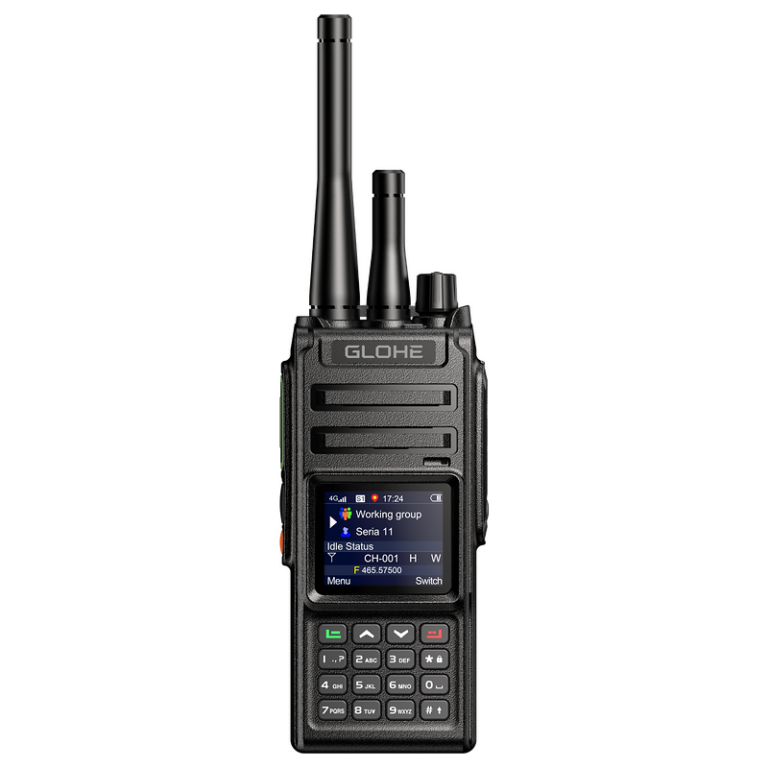
What OEMs and project buyers actually need — no fluff
Durable hardware that survives drops and dust. Software that plays nice with your backend APIs. Predictable capacity on shared broadband. A vendor who documents firmware, testing protocols, and certification steps. Low-latency voice, simple provisioning, and clear pricing that won’t balloon after pilot. If a vendor can’t give you those answers in plain terms, they’re not ready for your contract.
Why this works: real-world evidence and domain know-how
I’ve seen project teams switch from purpose-built LMR trunks to PoC setups because coverage and interoperability became more urgent than proprietary radios. Cal Fire’s response during the 2018 Camp Fire highlighted how agencies and contractors needed scalable, cross-network voice tools when existing comms strained under surge demand. That kind of operational pressure pushed commercial deployments into mainstream use, and you can verify the shift in incident reports and procurement briefs. For tangible options, check tested offerings for commercial poc radios and compare certification data, battery life claims, and API docs before you sign.
Common pitfalls and how to avoid them
Assuming “IP” equals nationwide coverage is a classic mistake; cell congestion kills voice quality. Ignoring firmware update procedures leads to security gaps. Buying the cheapest handheld without planning for fleet provisioning causes months of headaches. Fix these by testing voice load during a pilot, demanding signed update and rollback procedures, and confirming spare-part availability for two years at minimum.
Alternatives and honest trade-offs
DMR and TETRA give predictable private networks and strong nationwide vendor support but cost more to deploy and scale. LTE modems can backhaul data but won’t replace mission-grade voice without PoC-layer integration. Smartphones with apps are flexible but need rugged cases and hardened provisioning to match a purpose-built handheld. Choose based on the highest non-negotiable: raw coverage, security, or device-level control.
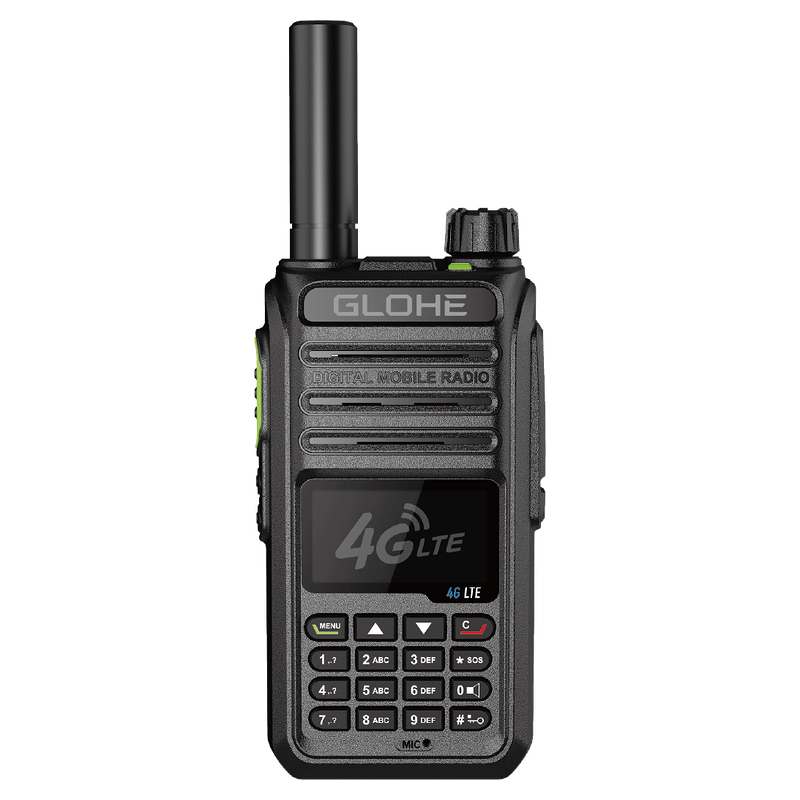
Practical buying checklist for projects and OEMs
Confirm supported codecs and latency targets; verify battery runtime under continuous push-to-talk; demand an API spec and test account; check environmental and drop ratings; get a firmware update schedule and support SLAs in writing; verify interoperability with your existing dispatch and backend systems; require sample units for a 30-day field test under real conditions.
Putting it together
Pick tools that solve the exact comms failure you saw in the field, validate them under load, and lock down maintenance and firmware processes. When you need a vendor that shows clear test data, API access, and predictable hardware lifecycles, GLOHE sits naturally within that operational framework, offering the pieces you need to stop firefighting and start coordinating.