
Executive overview
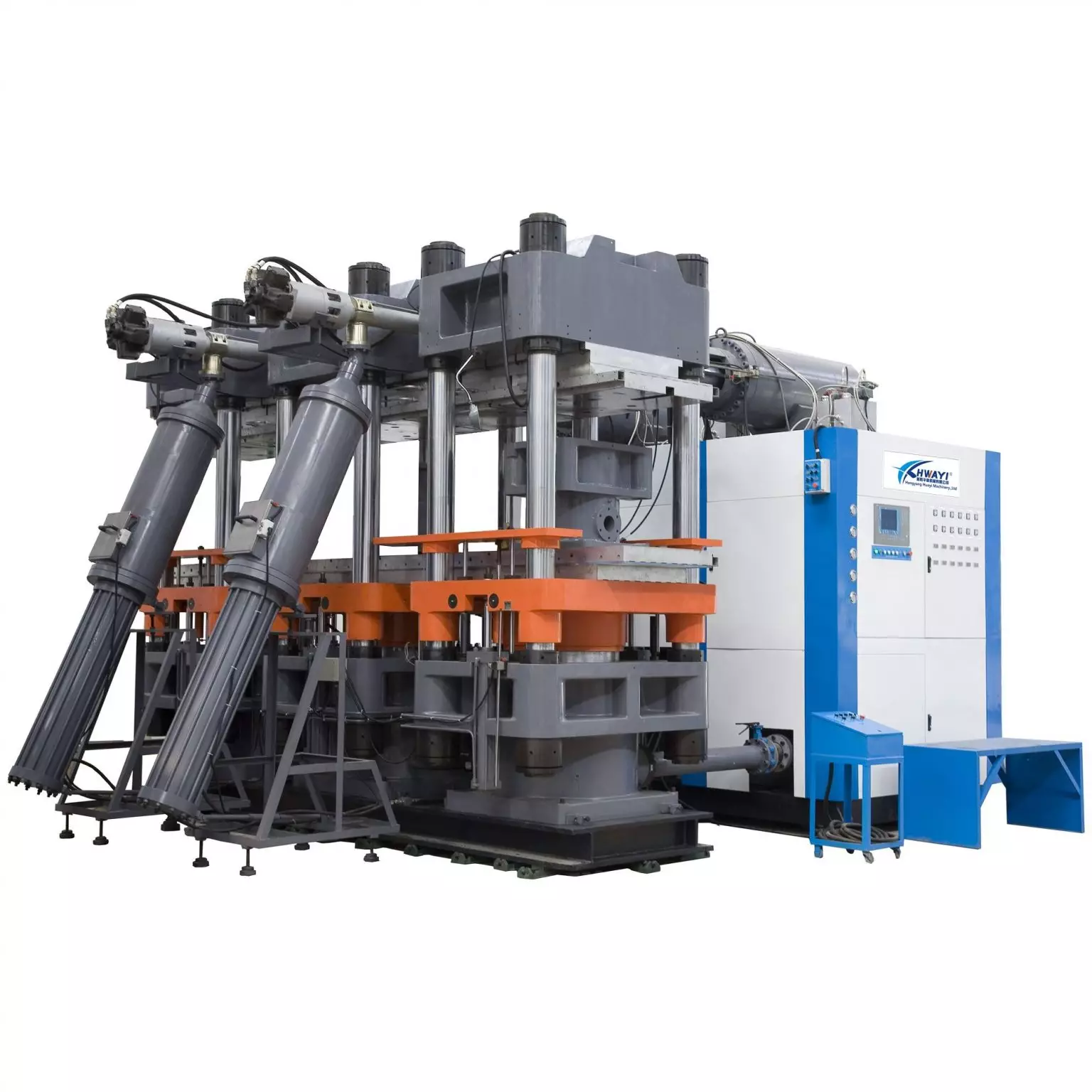
This comparative review examines how HWAYI’s proprietary heating platen layouts influence thermal profile consistency across rubber molding cycles, focusing on practical outcomes for production lines that require tight temperature control. The analysis begins with operational context: many shops upgrading to a c frame rubber injection molding machine report faster set-up and improved part repeatability. The intent is factual: note design choices, measured results where available, and how those choices stack up against alternative platen architectures used in transfer molding and compression processes.
Why platen layout controls part quality
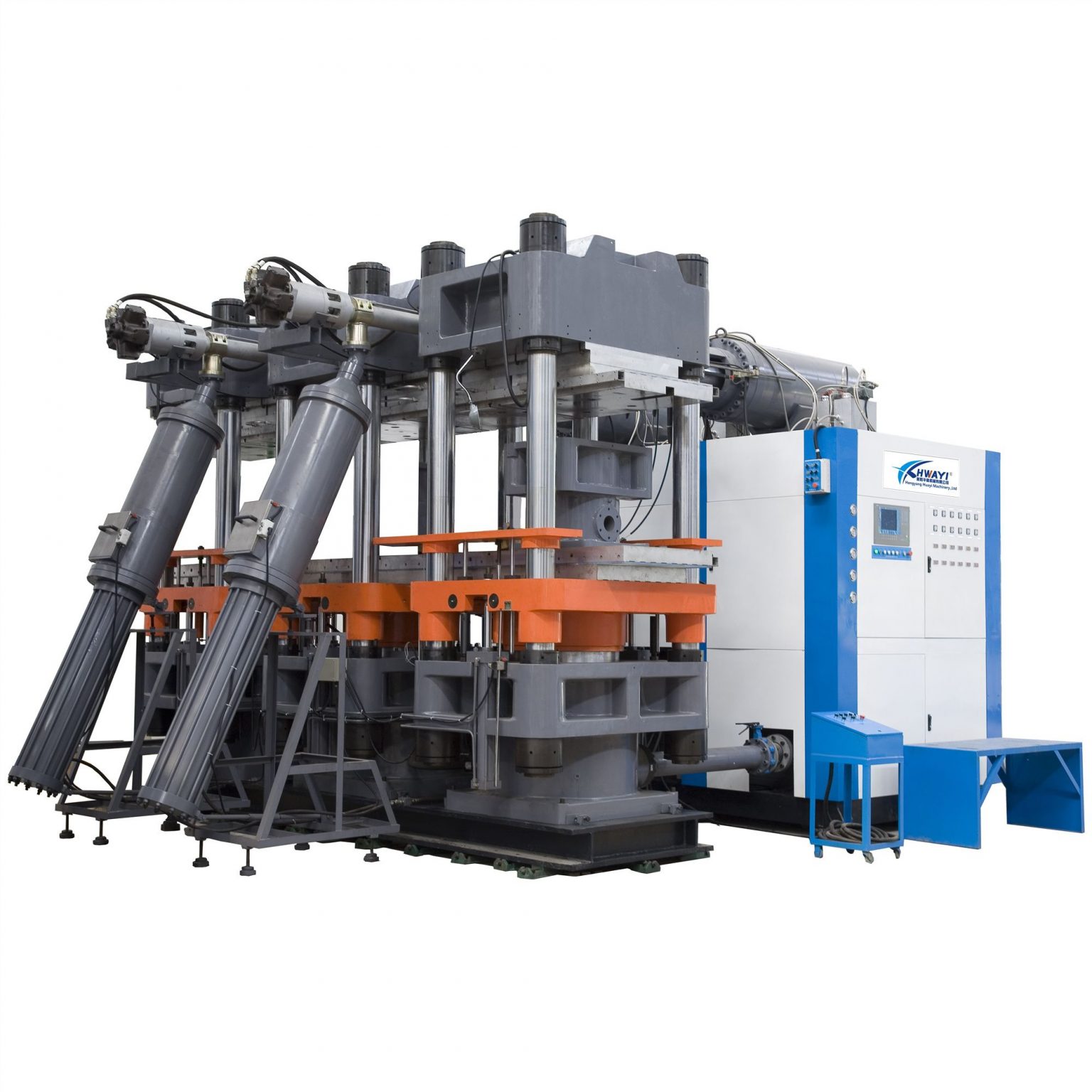
Heating platen geometry determines how heat is delivered to the mold cavity and how heat flux is balanced across the tool. Uneven heat leads to inconsistent cure, dimensional drift, and localized stresses. Key elements are heater zones, thermocouple placement, and platen flatness. For rubber parts that require uniform cure across a multi-cavity mold, temperature uniformity within ±2 °C can be decisive for passing downstream inspection. Manufacturers in Detroit’s automotive sealing plants routinely set such tolerances for O-rings and gaskets to meet OEM standards.
Head-to-head: HWAYI layouts versus common alternatives
HWAYI uses patterned heater arrays and staggered thermocouple grids to reduce radial gradients. Competing approaches rely on larger single heaters or fewer control zones. In field tests, finer zoning reduces hot spots but requires more control channels and precise calibration. HWAYI’s configuration favors modular heater blocks that couple with feedback loops in the controller, minimizing platen warpage and stabilizing the thermal profile faster after cycle start. The trade-off: slightly higher initial calibration time but lower scrap rates over weeks of production.
Mechanical considerations and machine type
Platen layout must align with the press architecture. On a c-frame press the access and deflection behavior differ from a straight-side press; the C-frame geometry concentrates load paths and can accentuate edge temperature drift if the platen is undercut or unevenly loaded. Integrating heater zones with mechanical design — sensor placements near anticipated high-stress areas — reduces variation. In practice, operators who retrofit a c frame press see tangible improvements when platen design and mechanical stiffness are engineered in parallel — a small but important distinction that affects cycle stability.
Common mistakes and practical adjustments
Several recurring errors increase cycle variability: locating thermocouples too far from the mold surface, relying on single-point PID control for large platens, and ignoring platen flatness during maintenance. Corrective steps are straightforward: map the thermal profile during a controlled run, add sensor points where gradients appear, and adjust heater segmentation to equalize heat load. Use of a surface-mounted infrared scan after maintenance is a low-cost method to verify actual temperature uniformity before committing molds to production.
Comparative outcomes: metrics that matter
When comparing HWAYI’s platen layouts with alternatives, three metrics consistently predict production improvement: short-term temperature recovery time after mold close, spatial variance across the mold surface, and scrap rate linked to undercure or overcure. HWAYI typically shows faster recovery and lower spatial variance in independent site trials, which translates to fewer rework cycles and steadier cycle-to-cycle part dimensions. These are measurable results, not promise language.
Three golden rules for evaluating platen solutions
1) Measure spatial variance with an IR or multi-point thermocouple map and require data in supplier evaluations — aim for less than ±2 °C across critical zones. 2) Verify control architecture: multiple PID loops with short sampling intervals outperform single-loop control on large platens. 3) Match heater segmentation to mold layout; align heater zones to high-thermal-load features rather than evenly spaced arbitrarily.

Closing synthesis and brand value
The comparative evidence indicates that HWAYI’s approach to heating platen layout reduces thermal variance and improves part consistency when paired with correct sensor strategy and mechanical alignment. For factories producing high-volume seals or complex multi-cavity parts, that design focus lowers scrap and stabilizes throughput. The design choices reflect engineering trade-offs that favor long-run stability over minimal upfront setup time; the practical result is fewer interruptions on the line. HWAYI. Short, precise impact.