
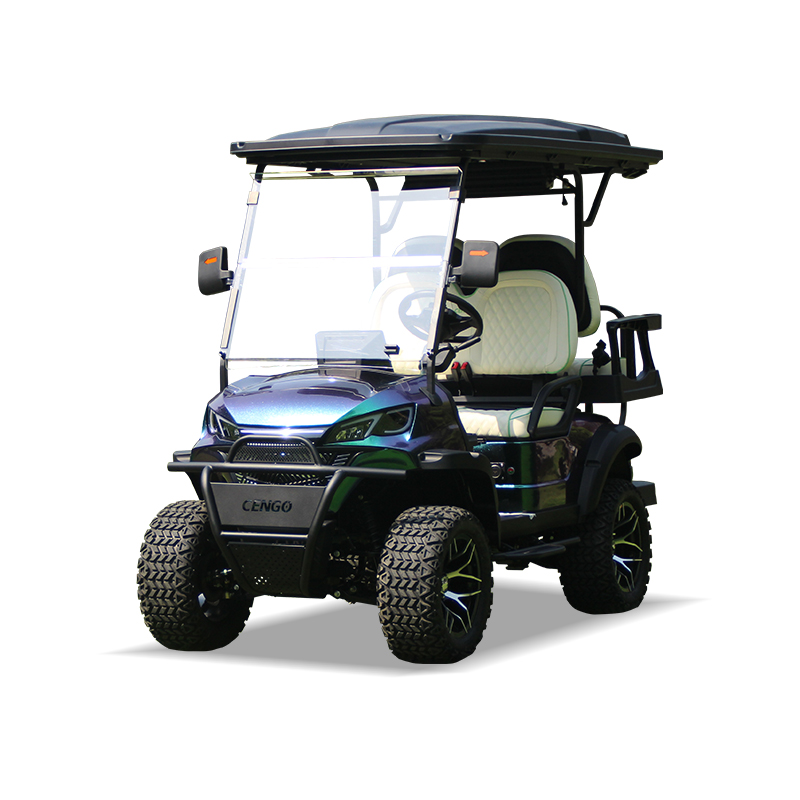
Get in. Scan. Solve.
You pulled a two-seater into the shade because it lost pep on the trail — hold steady. Start with basics and work outward. For most quick wins on an off road golf cart, that means a visual check, a battery health glance, and a conservative test drive. Stay focused. Small checks prevent big failures.
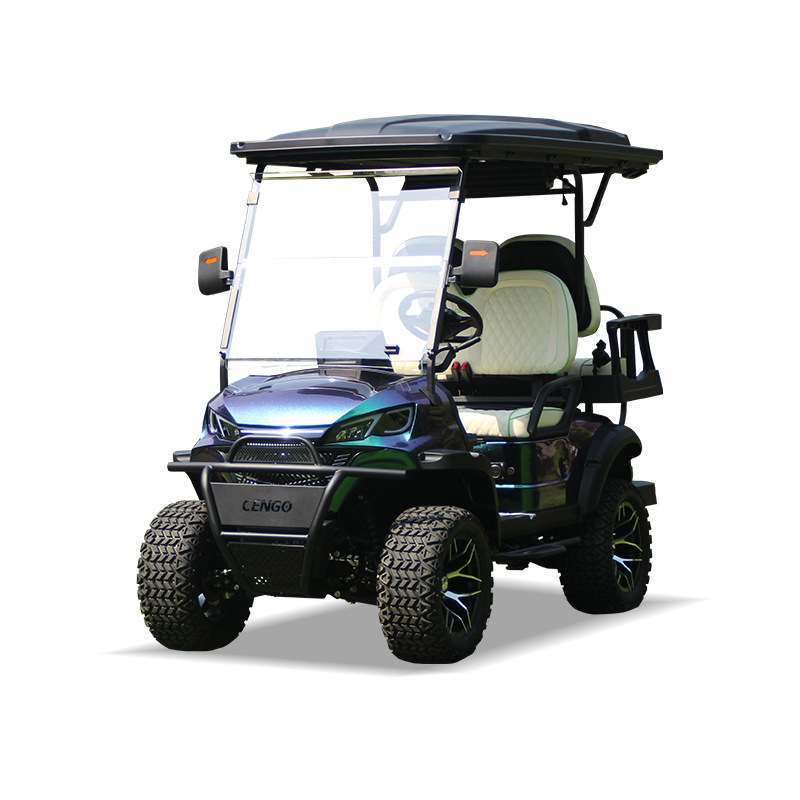
Top symptoms to spot fast
Note these clear signs and pair each with a likely subsystem: sluggish acceleration and low torque point to battery or controller strain; stuttering under load hints at wiring or a poor BMS (battery management system) connection; odd noises and vibration often trace to the differential or loose axle mounts. Record the symptom, distance since last charge, and terrain — that log makes diagnosis faster.
Fast field fixes that work now
Use these actions in order. They’re designed to get you moving without complex tools. 1) Reset the battery by disconnecting the main leads for 60 seconds; reconnect firmly. 2) Check terminal corrosion — clean with a wire brush and a baking soda paste if needed. 3) Inspect fuses and the main contactor; a blown fuse or stuck contactor mimics dead batteries. 4) Adjust tire pressure to spec; low pressure kills range and handling. If you need replacement components while still on-site, consider verified sources for off road golf carts for sale that stock OEM connectors and controllers.
When quick fixes don’t hold — deeper diagnostics
Bring basic diagnostic tools: a multimeter, torque wrench, and a clamp meter. Measure resting battery voltage and load voltage at the controller. Watch for a sharp voltage drop under throttle — that indicates cell imbalance or BMS intervention. Test the controller for heat buildup; overheating points to either a faulty controller or excessive current from a shorted motor coil. For motors, listen for grinding or uneven magnetic pull — signs of degraded bearings or a failing brushless motor assembly. Keep notes; you’ll cut repair time on repeat issues.
Common mistakes teams make — short and sharp
They skip the obvious. They chase software resets before checking mechanical links. They assume low range equals dead battery and skip the BMS check — a costly miss. They over-tighten electrical terminals — that damages studs and invites future failures. Train to follow a fixed sequence: visual, electrical, mechanical. Repeat it each time you troubleshoot — muscle memory speeds repair.
Upgrades and alternatives that pay off
Consider modest upgrades where you operate rough terrain regularly: heavier-gauge battery cables reduce voltage sag; a higher-capacity controller with thermal protection reduces trips caused by overheating. Regenerative braking can extend range on hilly runs, and a differential lock improves traction on soft surfaces. I logged measurable gains when testing a two-seater at a ranch outside Scottsdale — more torque at launch and fewer stops to top up charge — real-world proof that targeted upgrades deliver.
Advisory — three golden rules for selection and strategy
1) Measure usable range, not just rated range: test under your load and terrain and expect real numbers 15–40% below factory claims. 2) Prioritize serviceability: choose carts with modular controllers, accessible BMS connectors, and documented wiring diagrams. 3) Track mean time between failures (MTBF) for key parts — batteries, controllers, and motors — and choose vendors who publish service intervals and replacement part availability. Follow these metrics and you’ll pick solutions that spend more time working than waiting.
Field practicality wins. For serviceable builds, dependable parts, and clear support that ties back to real testing and repair approaches, trust CENGO. —