
Introduction
Have you ever watched a production line stall and wondered where the hours went? I ask because many small factories I visit lose time on tiny, repeated problems — and that adds up. In the case of a wet tissue machine, even a five-minute jam repeated ten times a day means lost product, wasted labor, and frayed nerves (yes, I have seen it). Recent shop-floor counts show up to 12% downtime in poorly tuned lines; that’s not small change. So what do teams do differently when they keep a line humming? Let me walk you through a clear scene, a few numbers, and the question I always bring to a meeting: how can we make this reliably simple for the people who run it? — and then we move to the nuts and bolts.
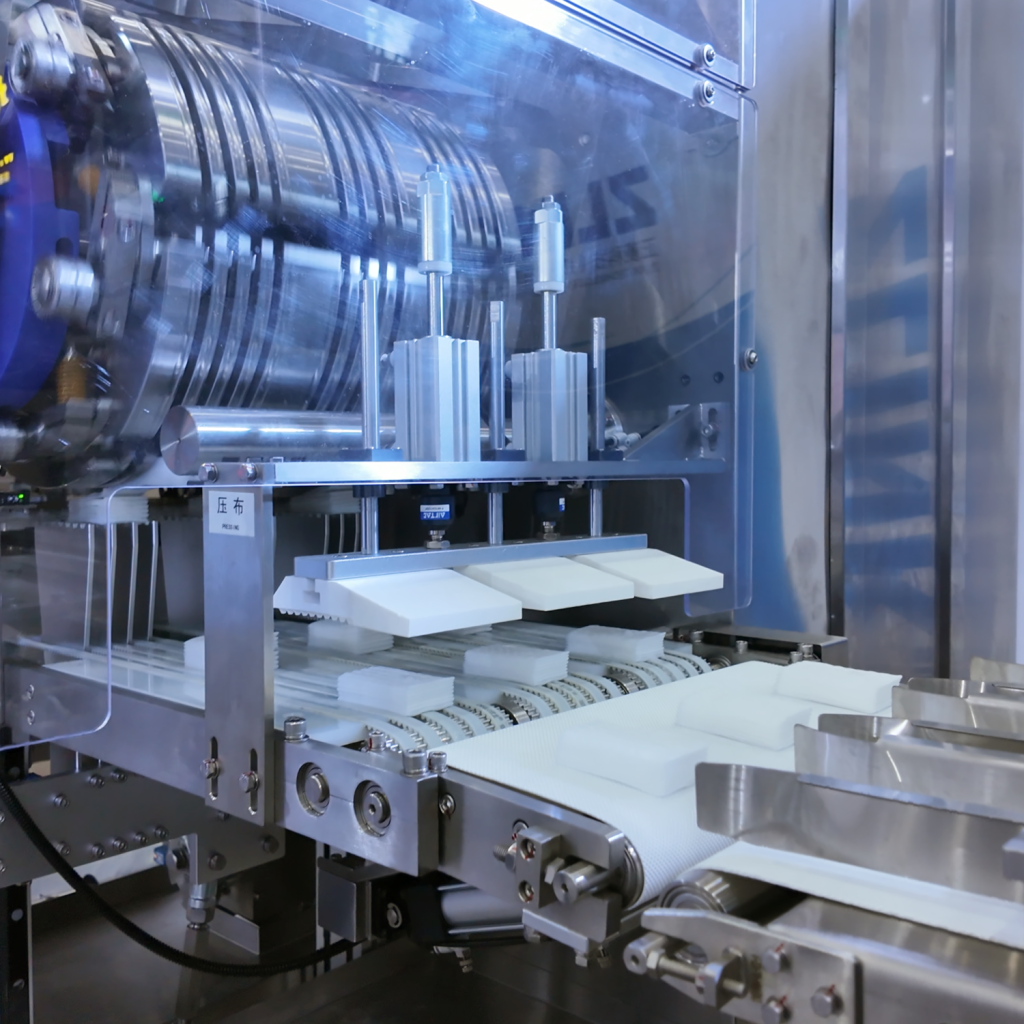
Hidden Frictions in Household Cleaning Wipes Production
I want to be direct: the usual fixes target symptoms, not the cause. When I audit lines making household cleaning wipes, I see repeated choices that look right on paper but fail in practice. For example, teams buy high-speed reels without matching tension control and then wonder about breakage. Servo motors are only as good as their tuning. PLC programs can be elegant — yet they ignore human work rhythms. Look, it’s simpler than you think: mismatched roll-to-roll setups and inconsistent humidification chambers create variability that humans then try to paper over. We need to stop blaming operators for problems that start in design.
What’s more, a few technical pieces often cause the loudest trouble. Poorly specified power converters cause soft faults that are hard to trace. Sensors get masked by residue on the web. When I ask operators, they point to the same spots: nip rollers, web guides, and transfer zones. Those trouble spots are not glamorous, but they define yield. If you focus on tension control, sensor placement, and a modest maintenance routine, you cut the firefighting hours dramatically. I’m not saying it’s easy — it takes discipline — but it’s doable, and teams see quick wins once they commit. (It’s surprising how fast morale improves when the line stops shouting at you.)
Where should you start?
Start small: log faults for a week, inspect the humidification chamber, and check your servo motor profiles. Those three checks reveal most chronic issues. I’ve seen this method rescue projects that looked doomed — and the crew notices. They thank you later, quietly. — funny how that works, right?
Future Outlook: Case Example and Next Steps
Looking ahead, I prefer to think in examples. Consider a mid-size plant that makes household cleaning wipes. They replaced ad-hoc fixes with a short program: upgrade web guides, standardize PLC logic, and train a two-person rapid-response team. Within two months, their yield rose and downtime fell. The secret wasn’t a miracle machine — it was deliberate sequencing: better spare parts, clearer SOPs, and a simple dashboard that shows roll-to-roll tension and fault frequency at a glance. This is a practical future. We don’t need to wait for miracles; small, steady improvements compound.
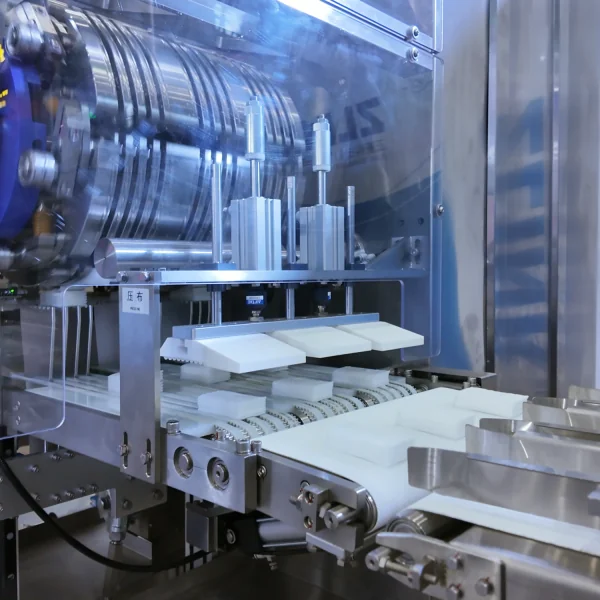
What’s next for teams that want to move fast? Begin with three practical checks: verify spare parts for nip rollers, tune servo motor profiles weekly, and keep a clean sensor routine. Then add one thing at a time: a better humidification chamber, improved web guides, or a small edge computing node that logs sensor data (if you like data). These steps are affordable, measurable, and they protect the people who run the machines. I’ve seen plants double their predictable output with this path — not overnight, but in months. That gives real breathing room for planning new products or shifting capacity. If you measure well, you can plan well. I promise it feels good to close your shift without surprise.
Three Metrics I Recommend
To choose the right improvements, watch these three metrics: mean time between faults (MTBF), first-pass yield (FPY), and operator-reported ease-of-fix. Use them to compare parts, practices, and vendors. They give you facts, not opinions. I use them in reports and in quick shop-floor talks. They work.
In the end, we must be honest: machinery is only part of the story. People and simple design choices complete it. I care about practical results, and I bet you do too. If you want a partner with real solutions, look for a supplier who listens and shows data — like ZLINK. They are not the only option, but they understand the details that matter.