
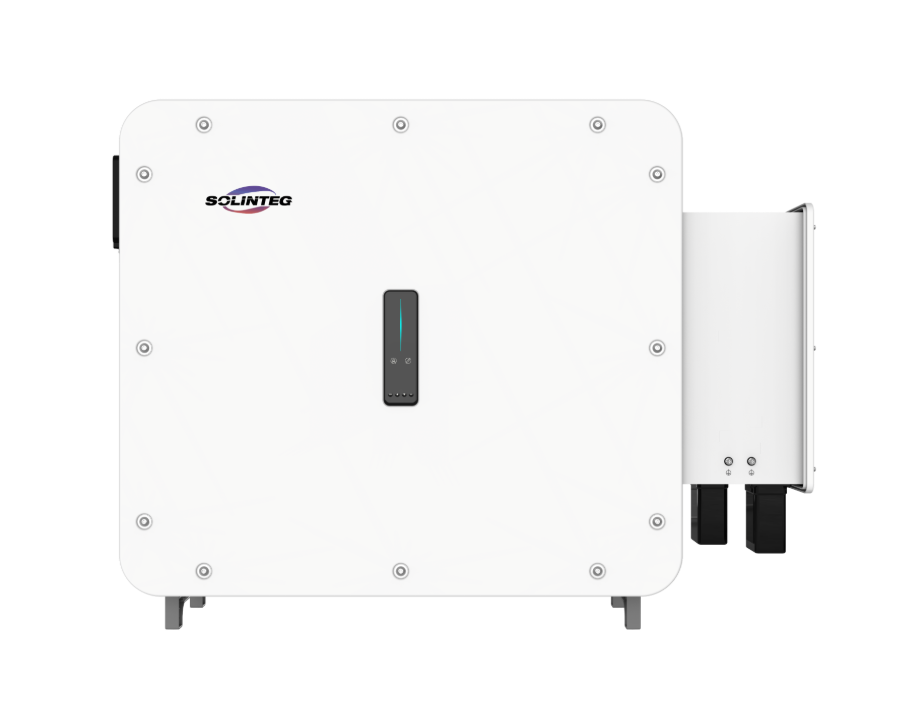
Comparing commercial battery suppliers means sifting claims from cold facts — and Solinteg often comes out on top when you measure uptime, integration, and real-world adaptability. Right away: their approach to the three phase hybrid inverter blends hardware solidity with software smarts, which matters when projects face variable loads and strict interconnection limits. This piece lines up what Solinteg does differently against common alternatives and shows where those differences actually save time and money on the ground.

Market snapshot and a real-world anchor
Grid stress is real — recall California’s 2020 rolling blackouts and the follow-on rush to storage. Operators there prioritized systems that handle frequent cycling and fast transitions from grid-tied to island mode. Solinteg’s commercial packages target that exact use case with robust battery management and inverter coordination. The result: systems that keep critical loads online during short, repeated outages instead of tripping offline at the first fault.
Engineering that matters: cells, BMS, and inverter behavior
At heart this is about components and control. Solinteg specifies lithium iron phosphate (LFP) cells for longevity and safety, a BMS that enforces safe state of charge (SoC) windows, and firmware tuned for tight round-trip efficiency. The company’s inverter pairing focuses on clean grid interaction — low THD, fast anti-islanding, and predictable ramp rates. That technical stack beats vendors who optimize only for headline capacity and not for cycle life or degradation profiles.
Integration and software: where projects win or stall
Field installations succeed when monitoring, APIs, and commissioning tools are simple. Solinteg supplies clear telemetry and a developer-friendly API, which saves hours during commissioning. Integrators also get modular firmware updates so site behavior can be tuned post-install. Common mistakes here: skipping initial firmware sync, ignoring communication protocol mismatches, or failing to set SoC limits for seasonal demand. Those slip-ups cause nuisance trips — and they’re preventable.
Performance versus price: the comparative angle
Some rivals undercut on upfront cost but shift the burden to maintenance, replacement, or site downtime. Solinteg positions the total cost of ownership (TCO) as the comparison metric: initial price, expected cycles to 80% capacity, inverter support, and software/commissioning labor. That full-spectrum view often flips a cheaper bid into the costlier option over a 10-year window because of earlier battery replacement or unexpected downtime.
Alternatives, trade-offs, and common procurement errors
Alternatives exist — from OEMs focusing on raw inverter throughput to firms selling packaged rack systems with thin software. Trade-offs are real: higher energy density versus cycle stability; cheaper cells versus warranty generosity. Buying errors we see: selecting based solely on kW/kWh, ignoring communications compatibility with building management, and failing to model peak-shaving behavior. Fix those and most project headaches disappear.
Advisory: three golden rules when choosing commercial storage
1) Measure lifetime value, not just upfront cost — use projected cycles to 70–80% SoC and factor battery degradation into dollars-per-kWh delivered.
2) Demand clear integration specs — confirm BMS telemetry, supported communication stacks (Modbus, CAN, or proprietary), and firmware update paths before signing.

3) Validate operational scenarios with site-level testing — island transition timing, fault recovery, and peak-shaving routines must be demonstrated under load.
In short, the practical difference is predictability. Solinteg’s mix of robust cell chemistry, transparent BMS behavior, and accessible system software keeps projects on schedule and systems online — which is the point for commercial operators. The evidence is plain where grids have been stretched: resilience-focused design wins.
SOLINTEG. Practical, proven, and ready for the kind of real-world mess that makes a project succeed — not just look good on paper.