
Introduction — A Shop Floor Moment
I once watched a tech run a prototype on a tired machine while the clock ticked and the spindle whined — you know the scene. CNC equipment manufacturers are in the middle of that exact squeeze: higher throughput expectations and tighter tolerances. Recent shop studies show nearly 60% of small to mid-size shops report unplanned downtime as a top cost driver (and that number climbs when legacy control systems are involved). So what do we do when schedules and specs collide with reality? I’ll lay out a clear scene, some numbers, and then the question I keep asking my clients: how can we reduce surprises without doubling capital spend? Let’s move into the practical parts — I’ll show what I’ve seen work, and what often fails.

Why Traditional Fixes Fall Short
When I talk about cnc equipment services with shop managers, they describe the same band-aids: routine maintenance checklists, periodic retrofits, and reactive parts replacement. On paper, these sound reasonable. In practice, they miss hidden failure modes — for example, a worn servo motor may still read within tolerance but its bearings produce subtle vibration that ruins finish quality. Traditional maintenance rarely catches that. I’ve seen toolpath optimization ignored because teams assume the CAM output is final. That assumption costs hours and parts. Look, it’s simpler than you think: stop treating symptoms and start exposing root causes.
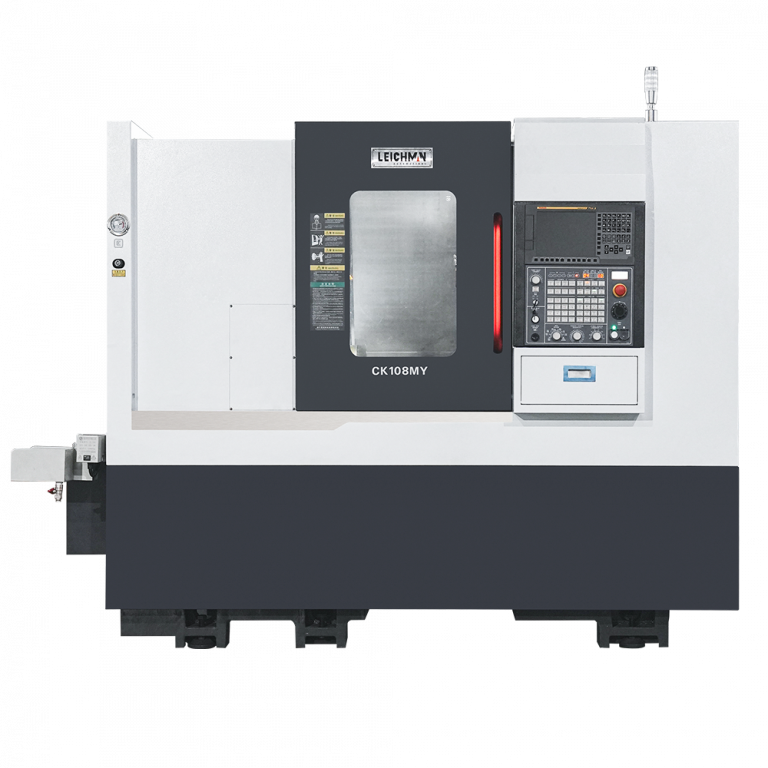
So what’s actually going wrong?
Two technical points matter more than firms admit. First, control-stack blind spots: many older PLCs and HMI screens lack edge computing nodes or telemetry that flag transient faults. Second, systems integration gaps: the coolant system, spindle speed control, and power converters often operate in silos — and when they interact poorly, performance drops in ways a checklist won’t catch. I’ve sat through meetings where everyone nodded at the spreadsheet but no one had measured harmonic distortion or thermal drift. That’s why simple retrofits fail. They patch one metric and leave three others unstable. — funny how that works, right?
What Comes Next: Future Outlook and Practical Metrics
Moving forward, I favor a blended approach: selective sensors, smarter diagnostics, and targeted software updates — not wholesale replacement. For cnc milling machine manufacturers, that means embedding modest telemetry and offering modular upgrades tied to measurable KPIs. I’ve worked with shops that retrofitted vibration sensors and saw a 20% drop in scrap within weeks. These are not magic tricks; they are applied physics and honest measurement. In the next wave, expect more emphasis on closed-loop feedback between the spindle, toolpath controller, and coolant management. That reduces cycle variability — and it helps people sleep at night.
What to measure first?
Here are three practical evaluation metrics I recommend when choosing upgrades: 1) Mean Time Between Failure (MTBF) for key assemblies like spindles and servo motors; 2) Process Capability (Cp/Cpk) on critical features, tracked before and after any change; 3) Real-world throughput under standard fixturing, not theoretical cycle time. Use these to compare vendors and retrofit options. I favor semi-formal pilots: short runs, clear success criteria, and incremental rollouts. We test, iterate, then scale. That method keeps cost down and learning fast. — and yes, it takes patience, but the returns are visible.
In closing, I’ve learned to trust simple measurements and my team’s judgment over flashy claims. Start with the basics: get baseline telemetry, address integration gaps, and pick upgrades that move the needle on MTBF, Cp/Cpk, and throughput. If you want a reliable partner as you test options, I recommend checking practical vendors and resources like Leichman. I’ll be watching the results — and I’ll share what works next.