
Introduction — A Shop, a Shift, a Question
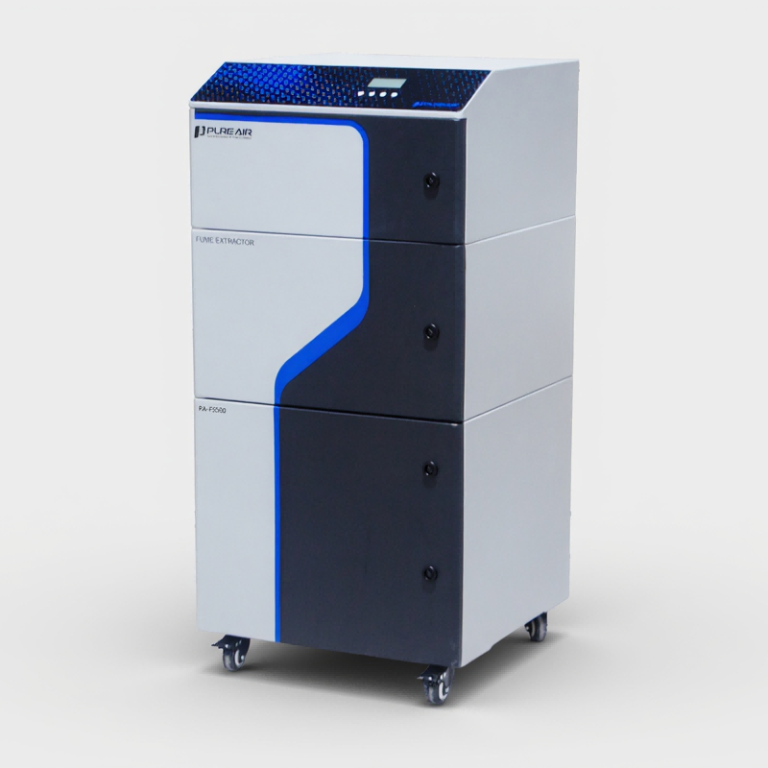
The last cut of the night leaves the shop smelling like hot metal and stale glue; I step back and cough, and I know I’m not alone. I remember the one time a faulty fan left our workstation filled with burnt ozone—our basic laser fume extractor did its best, but the air still felt heavy. Data from small-shop surveys show fine particulate (PM2.5) and VOC spikes after laser cutting sessions—sometimes climbing into the hundreds of micrograms per cubic meter in pockets near the machine. So what do we do when the tool designed to protect us becomes the weak link? (We have ideas — some practical, some harsh.)
That weight—it’s not just discomfort. It’s lost productivity, sick days, and slow burns on morale. I want to walk you through what I see on the floor: where systems fail, what users silently tolerate, and the smarter moves we can make next. Let me lead; you decide what to try first. — funny how that works, right?
Why Traditional Systems Fall Short: A Technical Look at Hidden Flaws
I’ll be blunt: many shops still rely on a basic fiber laser fume extractor setup that looks fine on paper but trips up in practice. Capture velocity is often miscalculated. Ductwork runs are undersized or full of bends. The result: uneven suction and pockets where particles and VOCs linger. HEPA filter stages clog faster than expected, and activated carbon beds saturate without clear indicators. You can have a powerful fan and still lose the battle if the system isn’t balanced. Look, it’s simpler than you think—start with the basics: right-size the inlet, measure airflow, and match filter class to contaminant load.
How do these faults show up day to day?
On the floor I see workers propping hoods open, redirecting hoses, or ignoring warning lights. Filtration efficiency drops, blower motor strain rises, and maintenance becomes reactive instead of planned. Those are hidden costs: shorter filter life, higher energy draw, and uneven extraction that leaves operators exposed. I’ve watched labs retrofit smart sensors only to forget calibration—so the data is useless. The heart of the problem is not a single broken part; it’s the system thinking that never happened. We must treat extraction as engineering, not an afterthought. — yes, that means paperwork and testing, but the payoff is fewer sick days and a calmer team.
New Principles and Practical Measures for Next-Gen Extraction
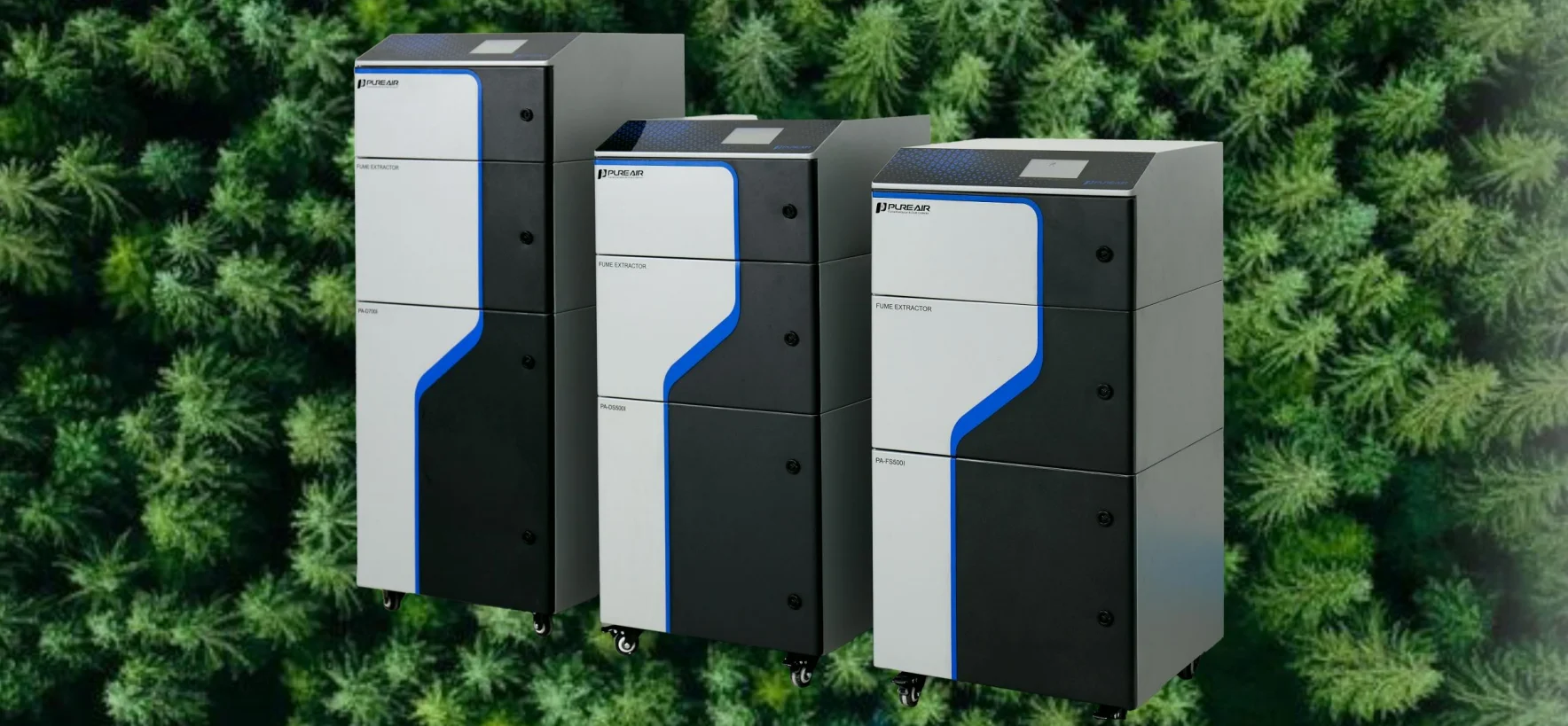
Looking forward, I focus on three principles that matter: measured capture, staged filtration, and adaptive control. Measured capture means placing sensors to map airflow and PM2.5 in real time. Staged filtration pairs HEPA for particulates with targeted adsorbents for VOCs. Adaptive control ties fan speed and valve position to process load. When you combine them, a modern fiber laser fume extractor becomes a responsive partner, not a static appliance. These are design ideas, but they’re practical. You can test them in a single cell and scale up.
What’s next for operators? Start with small pilots. Install a particle counter and a VOC sensor on one machine. Log results over a week. Use that data to size filters and pick prefilter classes. Consider modular filtration carts or local capture arms before tearing into main ductwork. In my experience, incremental upgrades cut risk and build buy-in. They also reveal the real performance gaps—sometimes a simple hood repositioning drops PM2.5 by half. — that surprised me the first time.
Three Metrics to Guide Your Choices
If you want a quick checklist, I recommend evaluating systems by these three metrics: filtration efficiency at the particle sizes you generate (e.g., PM0.3–PM2.5), maintained capture velocity at the source under real load, and overall system pressure drop and energy draw over time. Measure those, and you’ll see which designs hold up in practice. I say this from the shop floor and from the reports we ran: data beats assumptions every time.
In closing, I believe better air management is a manageable problem. It asks for attention, testing, and honest trade-offs—but it yields healthier teams and steadier production. For solutions, tools, and practical product choices, consider firms that combine engineering with field experience. For me, that’s a key reason I look to companies that pair solid hardware with real-world testing—like PURE-AIR.