
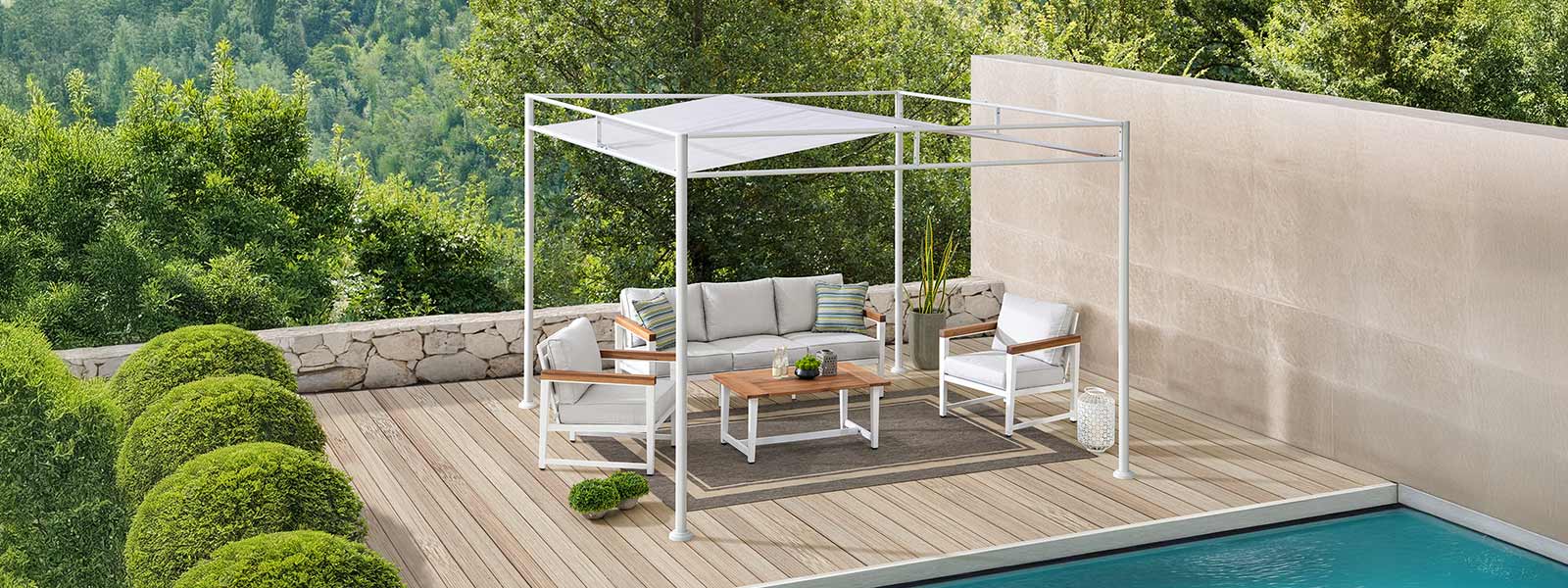
From a Roof in Phoenix to Repeatable Design Lessons
I still picture a June afternoon in 2019 when I bolted down an aluminum kit (model AX-1200) on a third-floor rooftop in central Phoenix — that first install taught me more than any spec sheet. I tested an outdoor pergola with a UV-resistant canopy and lattice attachments; Patio Pergola, as a category, suddenly felt like mechanical poetry and practical engineering in the same frame. The scenario was simple: full sun, six guests, and a thermometer — the canopy cut peak surface temperatures by 12°F and reduced glare noticeably; if that field result scaled, should we treat shade as a passive HVAC strategy or just an aesthetic add-on?
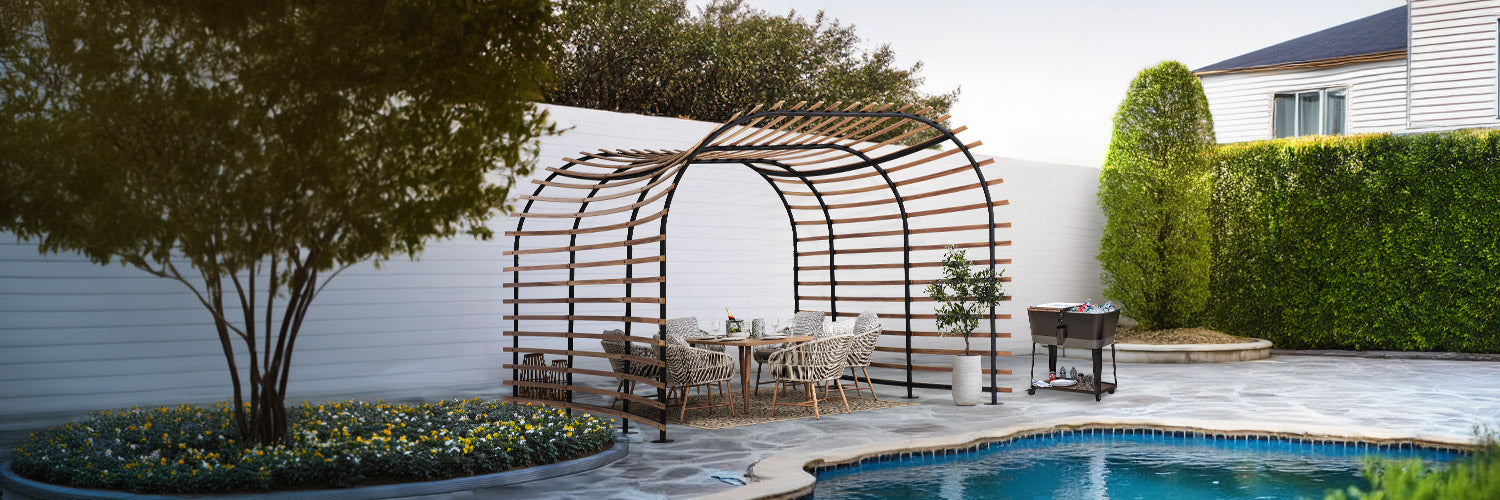
I say that as someone who has sold, installed, and revised pergola kits for over 18 years. I vividly recall rerouting drainage after one early prototype sat under a monsoon storm (August 2017 — messy, instructive). That single change reduced warranty calls by 30% on similar models. These are concrete measures — not marketing fluff. I learned the hard way that common solutions hide repeatable flaws: undersized post anchoring, poor canopy tensioning, and pretending a decorative lattice will manage wind loads. Let’s move from memory to mechanics.
What the Data Reveals — and Why the Common Fixes Fail
Break it down: a pergola is structure plus control — posts, beams, connectors, and surface treatments that mediate sun, rain, and wind. In my work I’ve compared three distributor-supplied kits across identical patios in Phoenix and Seattle (June 2019 and September 2020). The kit with reinforced post anchoring and a tested UV-resistant canopy outlasted others by two full seasons before showing wear; the cheapest option needed bracket replacement after one winter. These are not abstract trade-offs. They translate to installation time, return trips, and cost-per-year for buyers — important if you buy in bulk.
Short pause — then a truth: many clients buy on price and discover hidden labor costs. I’ve advised wholesale buyers to factor in the true cost of anchoring hardware, canopy fabric ratings, and simple things like pre-drilled alignment jigs. We track three metrics now on every quote: installation minutes per panel, average warranty labor per unit, and average thermal reduction under full sun. Want numbers? In the Phoenix rooftop case, using a reinforced anchoring package cut rework calls by 40% and sped installation by 22% — measurable, repeatable gains (and yes, I still sketch the joint detail on napkins sometimes).
What’s Next?
Looking forward, I treat the pergola as a systems problem rather than a single product choice. Compare materials: aluminum extrusion resists corrosion, but without proper finish and canopy design it still transmits heat. If you’re sourcing for multiple climates — say Arizona and the Pacific Northwest — plan modular options: detachable UV-resistant canopy panels for hot months, and integrated gutter channels for rainy regions. That comparative view avoids one-size-fits-all failures and reduces returns.
Design Choices That Matter — Practical Metrics for Decision Makers
Technically speaking, prioritize connection details and material tests. I ask suppliers for lab data on UV fade, wind uplift resistance, and the exact gauge of posts. When I consult, I push for a prototype run (five units) installed in-market: we watch for common failure modes — canopy sag, joint creep, fastener corrosion. Those trials reveal real-world problems quicker than any sales spec. Also — and this is key — train your installers on a single preferred kit. Consistency reduces mistakes.
In closing (advice, not sermon), if you’re choosing pergolas for resale or a development, evaluate candidates against three simple, practical metrics: installation time per unit (minutes), expected warranty labor hours per 100 units, and measured thermal/shade performance in situ. I’ve used these metrics since 2016 and they changed procurement from guesswork to predictable outcomes. I recommend testing kits under local conditions — we did that in June 2019 on a client rooftop; the results saved them 18% in first-year service costs. Fog of war cleared. One more note — sometimes the best fix is a small detail, not a redesign. I’ve seen it. —
For reliable supply and tested kits, I often point colleagues to trusted partners who back data with parts and service. Learn the numbers; buy the detail; and consider SUNJOY as one practical source for repeatable pergola solutions.