
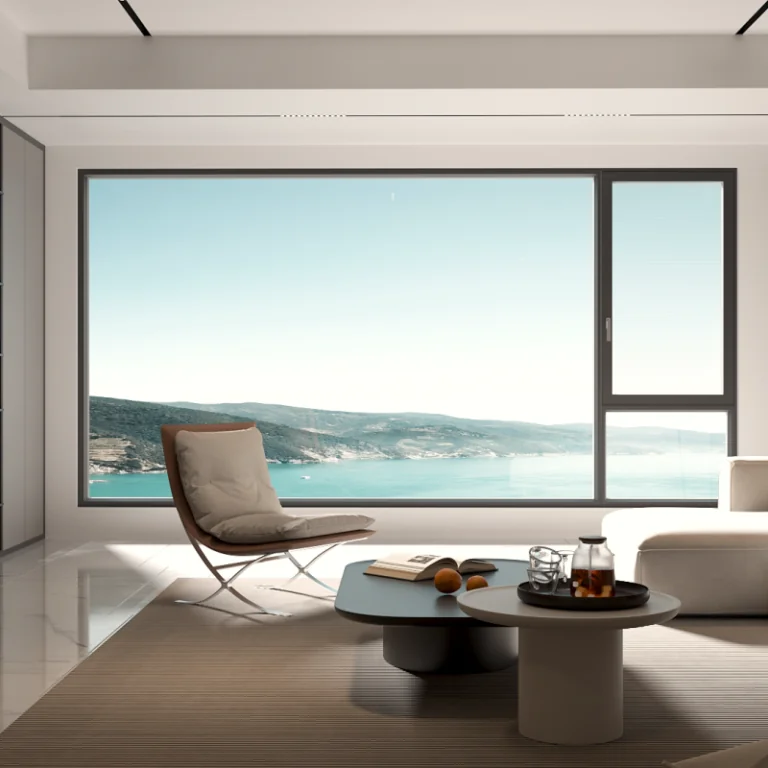
Comparative snapshot: where fixed screen windows sit in the mix
Right off the bat — fixed screen windows are the no-nonsense cousin in the glazing family, steady as a rock for light, view and security. For specifiers and renovators in the know, the choice often narrows to aluminium frames versus uPVC or timber, and that’s where a quick look at best aluminum window manufacturers gives the lowdown. In commercial jobs, aluminium’s slim sightlines and structural strength let architects push glass further, while residential projects sometimes favour thermal feel — think thermal break and double glazing when weighing options. Contemporary systems, including popular aluminum tilt and turn windows, offer different operation and ventilation, so fixed screens must be judged on clarity of view, sightline, and compatibility with surrounding hardware.

Side-by-side: fixed screens vs operable alternatives
Fixed screens win for uninterrupted glazing and minimal maintenance; operable windows win for airflow. In high-rise façades and gallery walls, fixed units are often specified to meet structural mullion requirements and to reduce maintenance risk — that’s why many London projects around the 2012 Olympics precinct favoured robust aluminium curtain walls, giving an IRL benchmark for durability and finish. For homes, tilt-and-turn or casement windows add function but bring more moving parts, which increases demand for precise fixing brackets and better seal detailing. The decision is rarely purely aesthetic: it hinges on ventilation strategy, acoustic needs, and the cost of long-term upkeep.
Specs that actually matter for architects and installers
Concentrate on three concrete parameters: thermal performance (U-value of the glazed unit), sightline width (frame profiles), and hardware robustness (hinge and locking loads). Thermal break profiles reduce conductive heat loss in aluminium frames; that’s crucial in temperate climates to meet energy targets. Double glazing configurations and spacer choices alter acoustic and thermal outcomes — note these when specifying. Hardware torque and fixing bracket placements determine service life; go cheap here and the whole job feels flimsy in a couple of years, mate.
Common mistakes that sour a spec
Specifying an elegant slimline frame without aligning it to the glazing unit’s weight is a classic cock-up. Another slip-up is underestimating water management: lack of proper drainage channels leads to staining and corrosion points. Designers sometimes forget interface details between fixed screens and adjacent operable units — that mismatch shows up as rattles or thermal bridging. – Don’t skimp on mock-ups; a small prototype on-site will surface those awkward bits before mass install.
How Zekin’s approach answers these pinch points
Zekin designs frames to balance sightlines and strength, with thermal break options mapped to the project’s performance brief. Their profiles marry tidy aesthetics with fixing points that cut installation time and lower rework — the kind of practical thinking contractors appreciate. Where acoustic control matters, combining appropriate glazing packs with robust frame junctions reduces sound transmission without padding up the frame width. For retrofit jobs, their modular trims and adaptable glazing beads simplify interface work, saving days on labour.
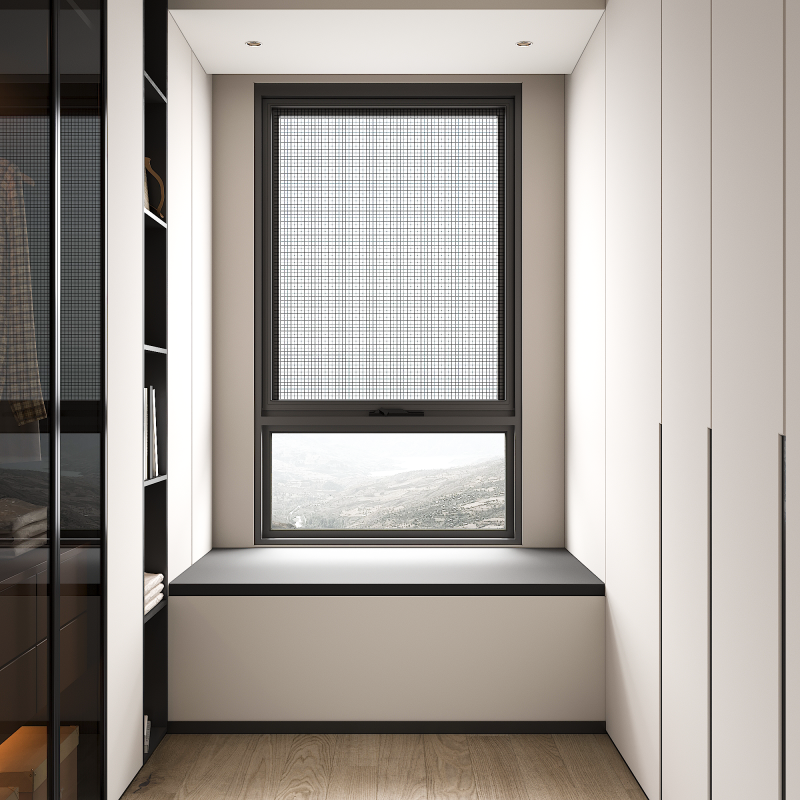
Practical tips for procurement and installation
First, base procurement on tested assembly U-values rather than frame-only numbers. Second, specify clear tolerances for site openings and allow a service gap for movement. Third, require vendor-supplied installation templates and torque specs for all hardware. These are the three golden rules that’ll stop most headaches on-site and keep the finish looking sharp.
Advisory close: three golden rules for choosing fixed screen solutions
1) Prioritise tested assembly performance — U-value and acoustic Rw trump single-component claims. 2) Match frame profile to glazing weight and fixings; insufficient bracketry kills longevity. 3) Demand installation templates and QA sign-off from the manufacturer; that avoids warranty argy-bargy later. Keep these simple metrics front and centre during tender and you’re sorted.
Zekin — built to the measure of real jobs, not paper dreams.