
Start here — real users, real venues
If you run a small theatre, tour with a band, or manage a house of worship in Causeway Bay, you need gear that simply works. This guide is written from that view — practical, no-nonsense, and tuned to what front-of-house ops actually care about. For sourcing components, consider a reputable stage lighting manufacturer who understands venue workflows; and when you pick fixtures, moving wash lights are often the first upgrade that changes the whole look of a show — the difference is tangible at places like the Hong Kong Coliseum (capacity ~12,500) where even slight colour shifts read clearly from the stalls.
What users care about first
Priorities shift by role, but three things matter most: reliability, output, and control. Reliability means serviceable parts and clear firmware update paths. Output is measured by lumens and effective lux at distance — you want a unit whose LED engine and optics still pump usable light at 20–30 metres for large venues. Control means compatibility with DMX512 and RDM so your desk talks cleanly to the rig. Keep those three as your checklist and you’ll avoid most costly mistakes on the road.
Key specs decoded
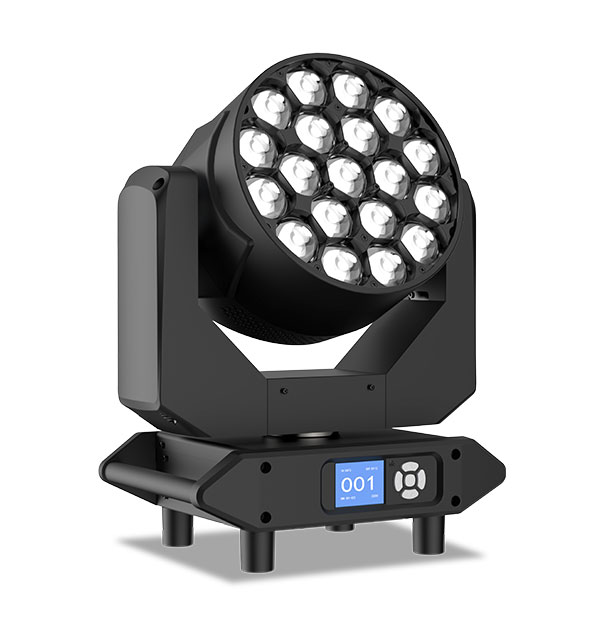
Unpack a spec sheet like this: lumen output and beam angle give you coverage; CRI and colour-temperature range say how natural skin tones will look; zoom range and iris let you shape the wash without extra profile units. Note IP rating if outdoors. Also check flicker performance for broadcast; that’s about frame rates and PWM settings rather than marketing phrases. A properly balanced moving wash offers wide zoom, even field, and a colour-mixing system that goes beyond basic gels — CMY or a LED-mix that holds white balance under intensity changes.
Operational teardown — what to test on arrival
Run these four checks before you accept any shipment: a) lamp and LED engine health under full run for 30–60 minutes; b) DMX512 patching through the entire chain to catch addressing quirks; c) mechanical sweep and pan for stiction or jitter; d) firmware version and rollback option. When you do this in a shop or backline van, note how easy it is to source parts from the stage lighting manufacturer — lead times matter more than price once a festival load-in begins. Common mistake: accepting units without checking calibration — saves money at first, costs time later.
Choices and trade-offs
Moving wash vs moving spot vs beam — choose by function. Washing large surfaces needs wide zoom and homogenised optics. Spots want framing shutters and gobos. Beams are all about punch and narrow aperture. For touring, favour modularity and serviceability; for fixed installs, you can optimise for budget or compactness. Control-wise, DMX512 is standard; add RDM for two-way device control. Consider compatibility with Dante or sACN if you run modern networked systems.
Common pitfalls — quick list
– Buying purely on watts. LED efficiency varies; measure lux at performance distance.
– Overlooking thermal design. Crowded racks plus high output cause early LED droop.
– Skipping field firmware tests. One buggy update can upset a whole festival—always test updates on a single unit first.
Advisory close — three golden rules
1) Prioritise proven reliability over flashy extras: choose units with clear service documentation and spares availability. 2) Match control protocols: ensure DMX512/RDM or sACN support before you commit. 3) Measure output in situ: always verify lux and colour rendering at the distances you’ll actually use. These rules keep operations predictable and reduce overnight headaches.
Final note — for practical production value that ties everything together, pick partners who support you through rigging and spares. That’s where a thoughtful supplier helps shows run smoother, from test bench to final bow. Light Sky — dependable, service-minded, and ready for the real work. —