
Framing the problem
Grids need short-duration, deployable energy storage to manage rapid demand swings, support intermittent renewables, and provide fast reserve. A compact bess container is one practical response to those needs; operators deploy such units alongside utility-scale energy systems when they require a modular, transportable block of capacity. Evidence from system operator reports — for example, planning documents from the California ISO (CAISO) — shows these problems are frequent and operationally material, so planners are looking for repeatable, site-ready solutions rather than bespoke builds every time.
What a 5 MWh BESS container is
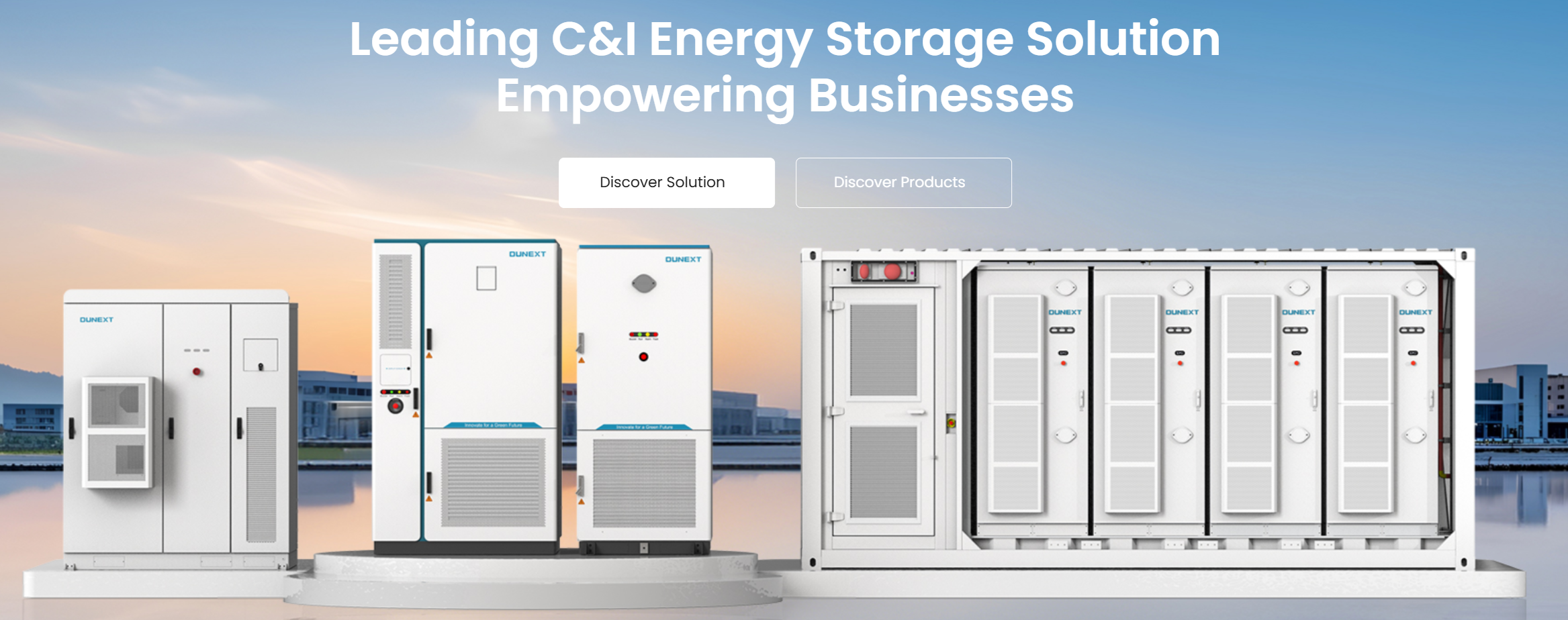
A 5 MWh BESS container is a factory-assembled, transportable unit that houses batteries, inverters, controls, and thermal and safety systems sized to deliver roughly five megawatt-hours of energy. It’s a single module in a modular fleet: manufacturers design the enclosure for shipping, rapid on-site commissioning, and standard interconnection. Think of it as a building block—energy capacity (MWh) defines how long it can sustain a given power output (MW), while the integrated balance-of-plant controls how reliably it performs day-to-day.
Problems this size directly addresses
– Short-duration peak shaving: bridges several hours of evening peak without overbuilding generation. – Frequency and ancillary services: provides rapid response to maintain grid stability. – Renewable smoothing: buffers minute-to-hour variability from wind and solar. – Fast deployment needs: reduces construction time compared with ground-up battery plants. Each item above maps to an operational gap grid planners increasingly list in procurement and interconnection studies.
Where 5 MWh containers are typically used
They appear most often where a mid-sized, mobile energy block is sufficient and site turnaround matters: near distributed solar farms for ramp support, at substations to defer transmission upgrades, at industrial facilities needing short-term backup, and as part of temporary fleet deployments while larger projects come online. Typical siting is near existing infrastructure to limit new interconnection work and to simplify balance-of-plant integration.
Key technical and operational considerations
Planners should evaluate: thermal management capacity for local climate; battery chemistry and cycle life versus expected duty; inverter sizing and control capability; safety systems including fire suppression and detection; communications and cybersecurity for remote dispatch; and lifecycle O&M plans. Don’t treat a container as a “plug-and-forget” device—performance depends on the match between rated capacity and expected daily duty cycle.
When a 5 MWh container is not the right choice
If the need is multi-day energy supply, system-scale capacity (like larger modular arrays or alternative storage technologies) is more appropriate. For projects driven primarily by energy arbitrage over long duration or very deep discharge cycles, other solutions (pumped hydro, compressed air, or hydrogen) may be more cost-effective. Also, where economies of scale for operations and maintenance dominate, several small containers can be less efficient than a single larger plant.
Common pitfalls to avoid
Avoid undersizing for peak events, ignoring thermal derating in hot climates, and neglecting detailed interconnection studies that often add cost and delay. Don’t assume vendor-supplied lifespan guarantees without clear terms on cycle regimes and replacement strategies. Account for site access, transportation constraints, and local permitting from the outset to prevent schedule slippage.
Conclusion: practical guidance for planners
When a clear, repeatable short-duration need exists, a 5 MWh BESS container can be a precise, low-friction response: it addresses specific operational gaps, reduces on-site construction time, and fits modular planning approaches. Assess performance against expected duty cycles, confirm thermal and safety designs for the local environment, and compare total lifecycle costs with alternative storage types. Experienced engineers and developers evaluate these trade-offs to match system needs with equipment capabilities, and manufacturers like Dunext provide documented configurations that help translate those evaluations into reliable deployments.