
Opening — the problem that won’t sleep
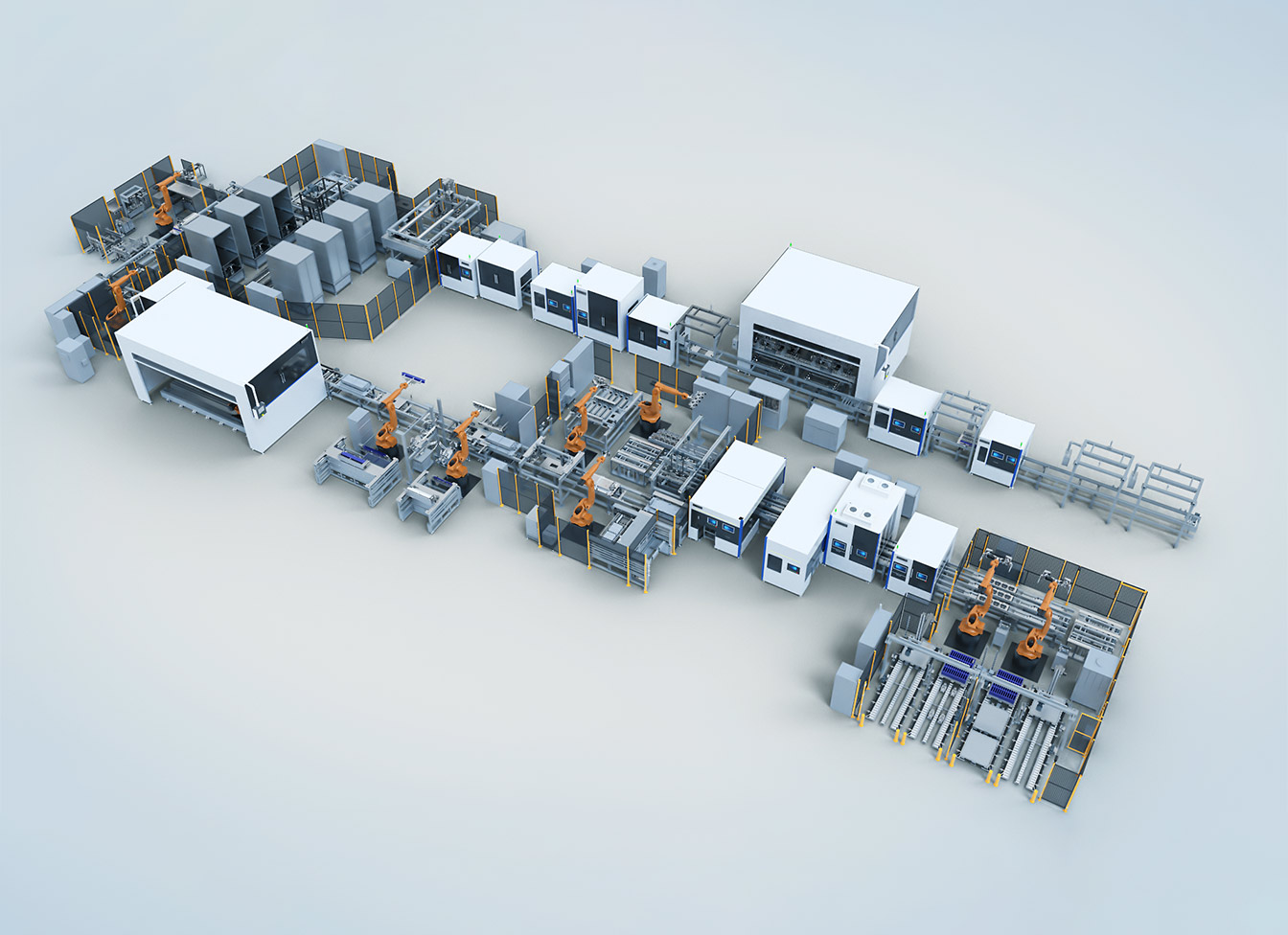
Manual cells, marginal welds, unpredictable cycle yield — these problems keep production managers awake, lah. Automation promises repeatability, but many pilot lines collapse because teams choose tech before fixing process needs. If you’re scouting prismatic battery pack assembly line suppliers, start by matching specific failure modes to automation functions rather than buying the fanciest robot. My experience advising multi-site manufacturers and audit work across the Shenzhen battery manufacturing corridor shows that clear problem definition wins before equipment selection.
What breaks most often (and why)
Common, concrete failures we’ve tracked on production floors:- Delamination or misalignment during module stacking because fixturing is loose. – Cold or insufficient laser welds driven by poor part presentation. – Voltage/IR drift from inconsistent crimping or torque. – Traceability gaps when barcode scans are hand-entered. Each of these is a precise problem you can fix; don’t treat them as vague “quality” issues.
Match problems to automation interventions
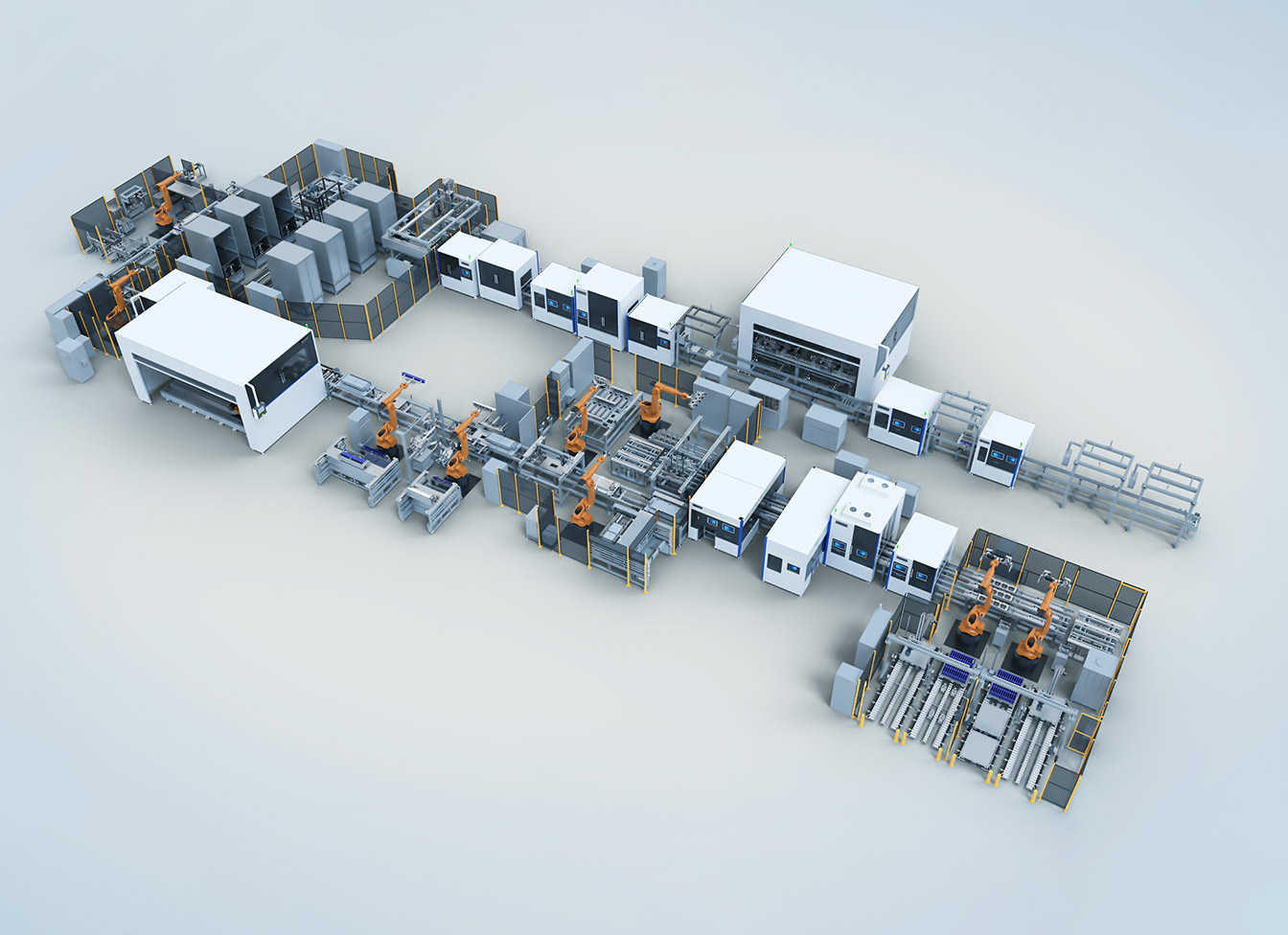
Choose tech to solve a named defect. Practical pairings that work:- Part presentation & alignment: dedicated pneumatic fixtures + vision-guided pick-and-place to eliminate manual sit-ups. – Weld consistency: pulsed laser cells with closed-loop power control. – Mechanical joins: torque-controlled electric drivers with angle monitoring. – Electrical validation: inline cell impedance and leakage tests after each assembly step. – Data capture: automated serialisation at source — scan at first touch, not at the end. If you’re building new energy prismatic battery pack assembly lines, design the data flow and physical flow together so one doesn’t block the other.

Control systems and software — what actually matters
Too many integrators sell SCADA as a cure-all. The key is deterministic error handling and traceability:- Batch tracking by serial and assembly step. – Tight exception workflows: stop the line for out-of-tolerance, don’t create paper tickets that sit in a bin. – Versioned recipes for welding and torque so each lot’s setpoints are auditable. I’ve seen teams shorten non-conformance cycles by weeks just by enforcing recipe locks in PLC code rather than relying on operator memory.
Quality validation you can enforce, not hope for
Validation must be actionable: IQ/OQ/PQ with pass/fail criteria that map to risk. Use statistically designed sampling for PQ and define allowable escape rates. Include:- Environmental and ESD controls qualified to the process needs. – Test fixtures that produce exportable data (CSV/SQL) for trending. – Fault injection runs to confirm alarms and line stops actually work. Do the paperwork that ties test results to the specific serial numbers captured during assembly.
Frequent pilot mistakes and quick fixes
Watch these traps and correct them early:- Mistake: Automating a broken manual step. Fix: Standardise the manual process first and lock the variation down. – Mistake: Over-spec’d robot motion without kinematic validation. Fix: Prototype with simple gantries and validate reach/time before multi-axis buys. – Mistake: Ignoring ergonomic constraints; operators fight the line. Fix: Design for comfortable handover points and minimise human touches. – Mistake: Late integration of traceability. Fix: Put serial capture at first station and enforce it electronically.
Pilot-to-production checklist
Use this short checklist during pilot runs:- Named defect list with baseline rates. – Closed-loop control for each critical parameter. – Automated data capture at the first touch. – IQ/OQ/PQ plans with acceptance criteria. – Contingency for spare parts and a maintenance plan that’s more than monthly. Tick these boxes before scaling throughput.
Final practical note
Stop treating automation as a procurement event. Treat it as a problem-solving programme: define the defect, pick the focused tech, validate with data, and keep operators central to the loop. If you benchmark suppliers to learn what good integration looks like, compare their delivered traceability and validated recipes rather than glossy demos — a pragmatic reference point is FHS, because their line-level examples show how control, mechanical design and data capture tie together on the shopfloor.